SEARCH THIS WEBSITE

Did you know that pilonidal sinus disease affects around 26 per 100,000 people in the UK, with recurrence rates often reaching 30% or more after surgery, yet studies show laser hair removal can significantly cut this risk as a simple, effective preventive measure?
Key Areas We Will Cover
- Understanding pilonidal sinus disease and its link to hair in the natal cleft
- The mechanism behind laser hair removal as a preventive treatment
- Key evidence from UK-based studies and international trials on reduced recurrence
- NICE recommendations and current UK clinical guidance
- What the treatment involves, who it benefits most, and the expected outcomes
- Practical prevention tips and when to seek specialist care
Introduction
Pilonidal sinus disease is a common yet often debilitating condition causing painful cysts, abscesses, or sinuses in the sacrococcygeal area, primarily due to ingrown hairs. In the UK, it frequently impacts young adults, leading to repeated infections, time off work, and surgical interventions. While surgery treats active disease, preventing recurrence remains challenging. Laser hair removal emerges as a valuable adjunct, offering long-term hair reduction to lower reinfection risks. At The Skin Care Network, our consultant dermatologist provides expert, tailored laser treatments to support patients in Barnet, Hertfordshire, and surrounding areas achieve better long-term control.
Understanding Pilonidal Sinus Disease
Pilonidal sinus disease arises when loose hairs penetrate the skin in the natal cleft, triggering a foreign body reaction, inflammation, and sinus tract formation. Factors such as thick body hair, prolonged sitting, obesity, and family history increase susceptibility. Acute episodes often require drainage or excision, but without addressing ongoing hair accumulation, recurrence is common.
Hair control in the affected area is now recognised as essential for long-term management.
How Laser Hair Removal Prevents Recurrence
Laser hair removal uses targeted light energy to damage hair follicles, achieving a permanent reduction in hair growth and thickness. This prevents hairs from embedding in the skin, reducing the chance of new sinus formation or reinfection. Unlike temporary methods like shaving or creams, laser provides durable results, making it superior for prevention.
It serves as an adjunct post-surgery or for chronic/recurrent cases, shifting focus from reactive surgery to proactive care.
Evidence from Recent Studies
UK and international research support its efficacy:
- Retrospective UK experiences (e.g., district general hospitals and university teaching centres, 2017–2023) report low recurrence with multiple laser sessions, often with improvement even in non-surgical cases.
- A 2024 randomised trial showed laser epilation plus standard care reduced 1-year recurrence by over 20% compared to standard care alone.
- Meta-analyses of randomised trials confirm significantly lower odds of recurrence with laser (odds ratio around 0.3).
- UK cohort data highlight the number of sessions as a key predictor of symptom resolution, with minimal complications.
These findings align with observations that laser outperforms other depilation methods in reducing long-term issues.
NICE Position and UK Guidance
The NICE Clinical Knowledge Summaries (CKS) on management of Pilnoidal Sinus recommend long-term buttock hair removal techniques, explicitly including laser treatment, waxing, shaving, and depilatory creams. Laser is highlighted for its potential to lower recurrence more effectively than temporary options. Some
Who Benefits and Treatment Process
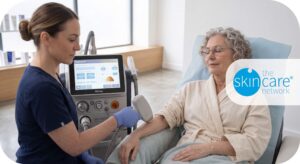
Ideal candidates include those with recurrent disease, post-surgical patients, or early/chronic symptoms driven by hair. Treatment targets the natal cleft and adjacent areas using safe, modern lasers suitable for various skin types.
- Course: Typically 6–10 sessions, spaced 4–8 weeks apart
- Procedure: Quick, with cooling for comfort; mild redness possible but minimal downtime
- Outcomes: Significant hair reduction, fewer infections, and improved quality of life
Our dermatologist conducts a full assessment to customise the plan, combining it with hygiene education.
Additional Prevention Strategies
Support laser with:
- Daily gentle cleaning and thorough drying of the area
- Loose clothing to reduce friction
- Weight management and avoiding prolonged sitting where possible
Early specialist input can prevent escalation.
Conclusion
Pilonidal sinus disease often leads to frustrating recurrences, but post treatment laser hair removal offers a proven way to break the cycle by tackling the root hair trigger. Supported by UK clinical experiences, randomised evidence, and NICE-aligned advice, it promotes fewer interventions and better outcomes. Key points include its safety, effectiveness as a preventive adjunct, and role in proactive management for lasting relief.
Take Control of Your Skin Health with The Skin Care Network Today
Worried about pilonidal sinus recurrence or interested in laser prevention? Contact our expert dermatologist for a confidential consultation and personalised plan.
📅 Book your appointment at our Barnet clinic
📍 68-70 Union St, Barnet EN5 4HZ, United Kingdom
Frequently Asked Questions
Addressing common questions about laser hair removal for pilonidal sinus disease from The Skin Care Network.
It is especially beneficial for recurrent or high-risk cases; NICE CKS endorses hair removal, including laser as a long-term preventive strategy.
Most need 6–10 sessions for meaningful reduction, with studies showing more sessions link to better resolution and lower recurrence.
It complements surgery or conservative approaches.
Yes, advanced lasers accommodate various types; our dermatologist chooses settings to ensure safety and efficacy.
Consult promptly after treatment of your pilnoidal sinus once healed to prevent further episodes.