SEARCH THIS WEBSITE
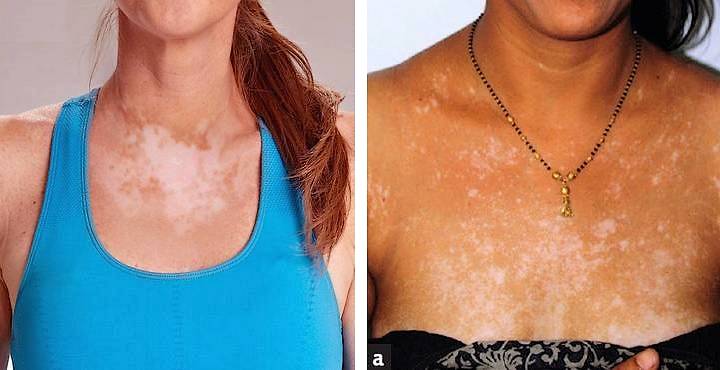
Vitiligo appears on different skin shades in similar percentages and on any part of your body.
Did you know that vitiligo affects around 1 in 100 people in the UK and can now be treated with the first licensed NHS medicine specifically for repigmentation? Breakthrough topical JAK inhibitors like ruxolitinib offer new hope for restoring skin colour, particularly for facial non-segmental vitiligo.
Introduction
Vitiligo is a long-term autoimmune condition where the immune system attacks melanocytes, the cells responsible for skin pigment, resulting in white patches. A Dermatologist at The Skin Care Network notes that while vitiligo is not harmful physically, it can significantly affect confidence and quality of life, especially when visible on the face or hands. This 2026 guide covers the latest advances in vitiligo treatment, from newly approved NHS options to personalised plans for patients in London, Barnet, and Hertfordshire.
What Is Vitiligo and What Causes It?
Vitiligo occurs when melanocytes are destroyed or stop producing melanin, leading to depigmented white or pale patches on the skin, hair, or mucous membranes.
It is primarily an autoimmune disorder with genetic and environmental triggers. Associated conditions include thyroid disease, other autoimmune disorders, and sometimes stress or trauma to the skin (Koebner phenomenon). It affects all skin tones equally but is often more noticeable and impactful in darker skin.
What Are the Main Types of Vitiligo?
- Non-segmental vitiligo (most common): Symmetrical patches on both sides of the body; can progress over time.
- Segmental vitiligo: Affects one side or segment of the body; often stabilises earlier.
- Other variants include focal, acrofacial, or universal (widespread).
Early identification of type helps a Dermatologist tailor the most effective treatment strategy.
Symptoms of Vitiligo: What to Look For
The primary symptom is the appearance of smooth, well-defined white patches. These commonly develop on the face, neck, hands, arms, and around body openings.
Additional signs may include:
- Premature greying or whitening of hair, eyelashes, or eyebrows.
- Loss of colour inside the mouth or on the genitals.
- Patches that may enlarge or stabilise over time.
Vitiligo is usually painless, though some experience mild itching at the onset of new patches.
Latest Vitiligo Treatments in 2026
Topical JAK Inhibitors (First Major Advance)
Ruxolitinib cream (Opzelura) is now available on the NHS for eligible patients aged 12 and over with non-segmental vitiligo affecting the face, where other treatments have not worked. Applied twice daily, it calms the immune response and promotes repigmentation.
Clinical results show significant facial repigmentation in many patients within months.
Other Topical Treatments
- Corticosteroid creams (short-term use).
- Calcineurin inhibitors (e.g., tacrolimus, pimecrolimus) – especially suitable for face and sensitive areas.
- Additional supportive agents such as vitamin D analogues.
Phototherapy and Light-Based Treatments
Narrowband UVB phototherapy remains highly effective, often combined with topicals. Excimer laser targets smaller areas precisely with excellent safety for facial and localised vitiligo.
Advanced and Combination Approaches
Dermatologists increasingly use combination therapy for better, faster, and longer-lasting results. In resistant cases, oral JAK inhibitors or other systemic options may be considered under specialist supervision.
Camouflage and Supportive Care
High-quality camouflage creams, self-tanners, and sun protection help improve appearance and prevent sunburn on depigmented skin. Psychological support is also important.
Treatment Considerations for Darker Skin Tones
Repigmentation can be highly effective in skin of colour, though it requires careful monitoring to avoid uneven tone or irritation. A Dermatologist experienced in treating diverse skin tones will select gentler protocols and appropriate light therapies.
When to See a Dermatologist for Vitiligo
Consult a specialist if patches are spreading, affecting visible areas, impacting mental wellbeing, or if you want access to the latest options like ruxolitinib. Early intervention often yields better outcomes.
68-70 Union St, Barnet EN5 4HZ, United Kingdom
Our consultant Dermatologists provide thorough assessment, accurate diagnosis (often without biopsy using advanced tools), and fully personalised treatment plans.
Conclusion
2026 represents a new era for vitiligo management, with targeted therapies like ruxolitinib offering real repigmentation potential alongside established treatments. While results vary and patience is required, a Dermatologist-led approach combining medical treatment, sun protection, and support can significantly restore skin colour and confidence.
Get Started Today
Ready to explore the latest vitiligo treatment options? Book a consultation with a Dermatologist at The Skin Care Network for expert assessment and a tailored plan suited to your skin type and needs.
📞 Call +44 20 8441 1043 or request an appointment online at our Barnet clinic.
Frequently Asked Questions
Yes. In 2026, NICE recommended ruxolitinib (Opzelura) for eligible patients aged 12+ with non-segmental facial vitiligo when first-line treatments have not worked.
There is currently no universal cure, but many patients achieve substantial repigmentation and long-term control with modern treatments. Maintenance therapy helps prevent recurrence.
Repigmentation is gradual. Noticeable improvement may take 3–6 months or longer with consistent treatment. Combination approaches often accelerate progress.
Yes, when managed by an experienced Dermatologist. Treatments are selected carefully to minimise risks such as irritation or uneven pigmentation.
While not a direct cause, managing stress, protecting skin from injury/sunburn, and addressing associated conditions (e.g., thyroid) can support overall management.
It can progress unpredictably. Early treatment under a dermatologist’s supervision often helps stabilise the condition and limit spread.