SEARCH THIS WEBSITE
Mole Removal
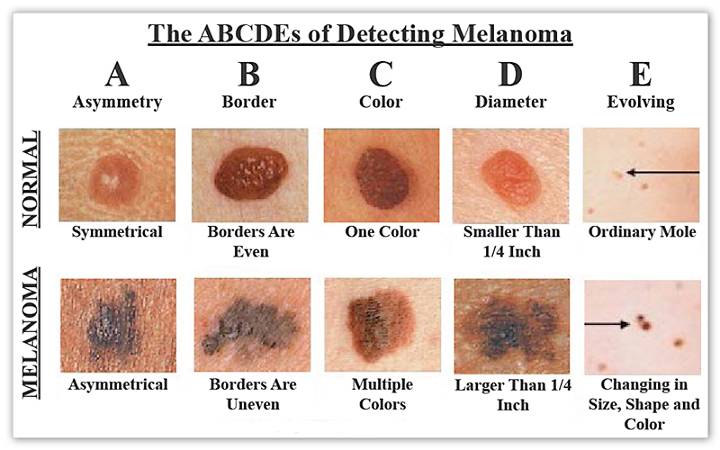
At Skin Care Network, located in North London, we specialise in safe and effective mole removal services performed by expert dermatologists. Whether you’re concerned about a mole’s appearance, discomfort, or potential health risks, our clinic offers advanced techniques to ensure minimal scarring and optimal results.
What is mole removal?
Mole removal is a medical or cosmetic procedure to eliminate moles from the skin. At Skin Care Network, we use precise methods to address both aesthetic concerns and health-related issues.
What is a mole?
A mole is a common skin growth caused by clusters of melanocytes (pigment-producing cells). While most moles are harmless, some may require removal for medical or cosmetic reasons.
Why is mole removal done?
Mole removal may be necessary for several reasons:
- To improve appearance.
- To alleviate irritation caused by moles rubbing against clothing.
- To rule out or treat skin cancer.
Who needs to have this treatment?
Anyone with moles that are suspicious, irritating, or cosmetically undesirable can benefit from our mole removal services. Our dermatologists will assess your concerns and recommend the best course of action.
Atypical mole removal
We specialise in removing atypical (irregular) moles that may pose a risk of developing into melanoma. Early detection and removal are key to maintaining skin health.
Cosmetic mole removal
If you’re unhappy with the appearance of a mole, our dermatologists offer cosmetic mole removal with techniques designed to minimise scarring and enhance your confidence.
Procedure Details
What happens before this procedure?
During your initial consultation at Skin Care Network, our dermatologists will evaluate your mole(s), discuss your concerns, and recommend the most appropriate removal method. If necessary, we can perform same-day procedures for your convenience.
How do dermatologists remove moles?
We offer several state-of-the-art techniques for mole removal:
Surgical excision
This method involves cutting out the mole along with a small margin of surrounding skin. It’s ideal for larger moles or those requiring biopsy. The area is stitched for precise healing.
Shave excision
For raised moles, we use a surgical blade to shave the mole down to just beneath the surface of the skin. This method leaves a small pink mark that fades over time.
What about lasers or other possible methods of mole removal?
While laser treatments are suitable for moles in sensitive areas like the face, our dermatologists prioritise methods that enable a histological diagnosis to ensure we are not missing a skin cancer.
What happens after this procedure?
After your procedure, you’ll receive detailed aftercare instructions to promote healing and reduce scarring. Follow-up appointments are available to monitor your recovery and address any concerns.
Risks / Benefits
What are the advantages of surgical mole removal?
- Minimise scarring with advanced techniques
- Biopsy analysis for peace of mind regarding skin cancer risks.
What are the risks or complications of this procedure?
While rare, potential risks include infection, scarring, and changes in skin pigmentation. Our team takes every precaution to minimise these risks.
Recovery and Outlook
What is the recovery time?
Most patients recover within 1-2 weeks. Healing times may vary depending on the size and location of the mole removed.
Mole removal aftercare
We recommend keeping the wound clean and dry for 48 hours post-procedure. Avoid strenuous activities for at least two weeks in affected areas to ensure proper healing.
When can I return to work/school?
You can typically resume normal activities within a day or two following minor procedures. For more extensive removals, your dermatologist will provide personalised guidance.
When To Call the Doctor
When should I see my healthcare provider about a mole?
You should consult our dermatologists if you notice:
- Changes in size, shape, or colour.
- Bleeding or itching.
- New moles appear after age 30.
When should I contact my dermatologist about my condition following mole removal?
If you experience redness, swelling, increased pain, or signs of infection after your procedure, contact us immediately for assistance.
Why Choose Skin Care Network?
At Skin Care Network in North London:
- We are led by consultant dermatologists with decades of experience.
- We use advanced techniques tailored to each patient’s needs.
- We prioritise patient safety and satisfaction.
- We offer same-day procedures with laboratory analysis for peace of mind.
-
Our clinic is conveniently located with easy access across North London and offers ample, easy parking for your convenience.
Book Your Consultation Today
Take control of your skin health with expert care from Skin Care Network. Whether you’re seeking cosmetic improvements or addressing medical concerns, we’re here to help.
📞 Call us at +44 20 8441 1043
Achieve smoother skin with confidence—schedule your consultation today!
Frequently Asked Questions About Mole Removal
Does it hurt to have a mole removed?
At Skin Care Network, all mole removal procedures are performed under local anaesthesia to ensure minimal discomfort. You may feel slight pressure during the procedure, but no pain. Afterwards, mild tenderness or sensitivity is normal and can be managed with over-the-counter pain relief.
Can I remove a mole myself?
No, it is not safe to remove a mole yourself. DIY mole removal can lead to infection, scarring, and the risk of missing serious conditions like melanoma. At Skin Care Network, our dermatologists use safe and effective methods to remove moles while ensuring your skin health is prioritised.
Can you permanently remove moles?
Yes! At The Skin Care Network, we offer surgical excision and shave excision methods that remove moles. However, new moles may develop over time due to factors such as genetics or sun exposure. Regular skin checks are recommended to monitor any changes.
What should I do if my mole changes in appearance?
If you notice changes in a mole’s size, shape, colour, or texture—or if it starts bleeding or itching—schedule an appointment with our dermatologists immediately. These changes could indicate a more serious condition that requires prompt attention.