SEARCH THIS WEBSITE

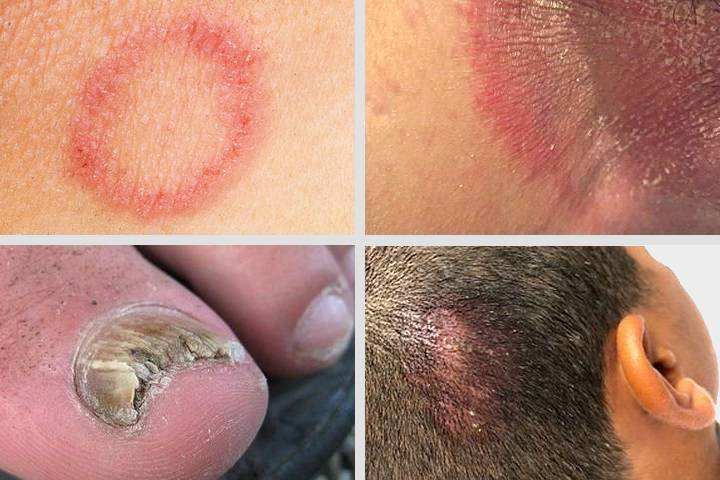
Did you know that tinea (ringworm) infections are caused by dermatophyte fungi and are particularly common in men, especially in the groin, feet and beard areas? Although often dismissed as a minor irritation, untreated tinea can spread, become chronic and significantly affect comfort and confidence. Accurate diagnosis and targeted treatment by a Dermatologist offer the most reliable path to clearance and prevention of recurrence.
“Tinea infections are generally curable once correctly identified, but self-treatment with over-the-counter products frequently fails or prolongs the problem.”
Key Areas We Will Cover
- What tinea is and why it is more common in men
- The main types of tinea by body site
- Typical symptoms and how the infection spreads
- How a Dermatologist diagnoses tinea
- Effective treatment options
- Practical steps to prevent recurrence
- When to seek specialist help
What Is Tinea?
Tinea is a superficial fungal infection of the skin, hair or nails caused by dermatophyte fungi (commonly called ringworm, although no worm is involved).
The fungi thrive in warm, moist environments and can spread from person to person, from animals, or from one body site to another. Several forms are more prevalent in males, particularly adolescents and younger adults, although anyone can be affected. Left untreated, the infection can persist for months or years and may involve multiple areas at once.
What Are the Main Types of Tinea in Men?
Tinea is named according to the body site involved:
- Tinea cruris – groin (commonly known as jock itch)
- Tinea pedis – feet (athlete’s foot)
- Tinea barbae – beard and moustache area
- Tinea corporis – body (trunk, limbs)
- Tinea capitis – scalp
- Tinea faciei – face
- Tinea manuum – hands
- Tinea unguium – nails (onychomycosis)
A groin infection, for example, often originates from the feet. You can read more about related genital skin issues in our jock itch and genital dermatology section and our broader male dermatology pages.
What Are the Typical Symptoms?
Common features include itch, redness, scaling and a well-defined border.
The classic “ring” appearance with clearer skin in the centre is frequent but not always present. Some cases show blistering, cracking (especially between the toes) or thickened, discoloured nails. The infection can be intensely itchy and may become secondarily infected with bacteria if the skin barrier is broken by scratching.
How Does Tinea Spread and Why Is It Common in Men?
Moisture, friction, shared facilities and close-fitting clothing all favour fungal growth.
Men who play sport, use gyms or changing rooms, or wear occlusive footwear are at higher risk. The fungi can transfer from feet to groin via hands or towels, which is why simultaneous treatment of multiple sites is often necessary. Sports-related skin conditions, including fungal infections, are discussed further in our sports dermatology resources.
How Does a Dermatologist Diagnose Tinea?
Clinical examination is usually combined with simple laboratory confirmation.
A Dermatologist assesses the distribution and appearance of the rash and may take skin scrapings for microscopy or culture to identify the exact fungus. This step is important because other conditions (eczema, psoriasis, bacterial infection or candidiasis) can look similar. Accurate identification guides the choice of the most effective antifungal treatment.
What Treatment Options Are Available?
Most cases respond well to targeted antifungal therapy.
- Topical antifungal creams or gels – sufficient for many mild, limited infections
- Oral antifungal tablets – often required for more extensive disease, nail involvement, or infections that have not cleared with topical treatment alone
- Adjunctive measures such as keeping the area dry, using antifungal powders and treating all affected sites at the same time
Over-the-counter products can help very mild cases but frequently prove inadequate for established infections. A Dermatologist will select the most appropriate agent and duration based on the site and severity.
How Can Recurrence Be Prevented?
Simple lifestyle measures make a significant difference.
- Dry carefully between the toes and in skin folds after washing
- Change socks and underwear daily; choose moisture-wicking fabrics
- Avoid sharing towels, socks or footwear
- Wear flip-flops in communal showers and changing rooms
- Treat any athlete’s foot promptly to reduce the risk of spread to the groin
Addressing underlying factors such as excessive sweating or tight clothing further reduces the chance of the infection returning.
When Should You See a Dermatologist?
Specialist assessment is recommended if:
- The rash has not improved after a short course of appropriate over-the-counter treatment
- It is spreading, very itchy, or showing signs of secondary infection
- Nails are involved
- The diagnosis is uncertain
- The infection keeps returning
Early specialist input shortens the course of treatment and helps prevent chronic or recurrent disease.
How Can UK Patients Arrange Expert Care?
Private consultation is straightforward and allows prompt diagnosis and treatment.
At The Skin Care Network, located at 68-70 Union St, Barnet EN5 4HZ, United Kingdom, our consultant Dermatologists provide expert assessment and management of tinea and other male skin conditions. Call +44 20 8441 1043 to book an appointment or discuss your symptoms.
Conclusion
Tinea infections are common in men, particularly in the groin, feet and beard areas, and can be persistent and uncomfortable if not correctly treated. Accurate diagnosis by a Dermatologist, followed by targeted antifungal therapy and simple preventive measures, offers the best chance of lasting clearance. Seeking specialist advice early avoids unnecessary prolonged irritation and reduces the risk of spread or recurrence.
Get Started Today
Suffering from a persistent itchy rash in the groin, on the feet or elsewhere? Book a consultation with a Dermatologist at The Skin Care Network for accurate diagnosis and effective treatment of tinea.
Frequently Asked Questions
This FAQ section answers common questions about tinea infections in men, supporting informed decisions with guidance from a Dermatologist.
Yes. “Ringworm” is the common name for dermatophyte (tinea) infections. No worm is involved.
Yes. This is a frequent route of spread, which is why both sites often need simultaneous treatment.
They can help mild cases, but many established infections require prescription-strength topical or oral antifungals prescribed by a Dermatologist.
Topical treatment may continue for 2–4 weeks after the skin looks clear. Oral courses vary according to the site and severity; nail infections typically need longer therapy.
Yes, especially if moisture, friction or shared facilities continue. Preventive measures and treating all affected areas reduce the risk of recurrence.
Yes. It can spread through direct skin contact or via contaminated towels, clothing or surfaces in communal areas.