SEARCH THIS WEBSITE
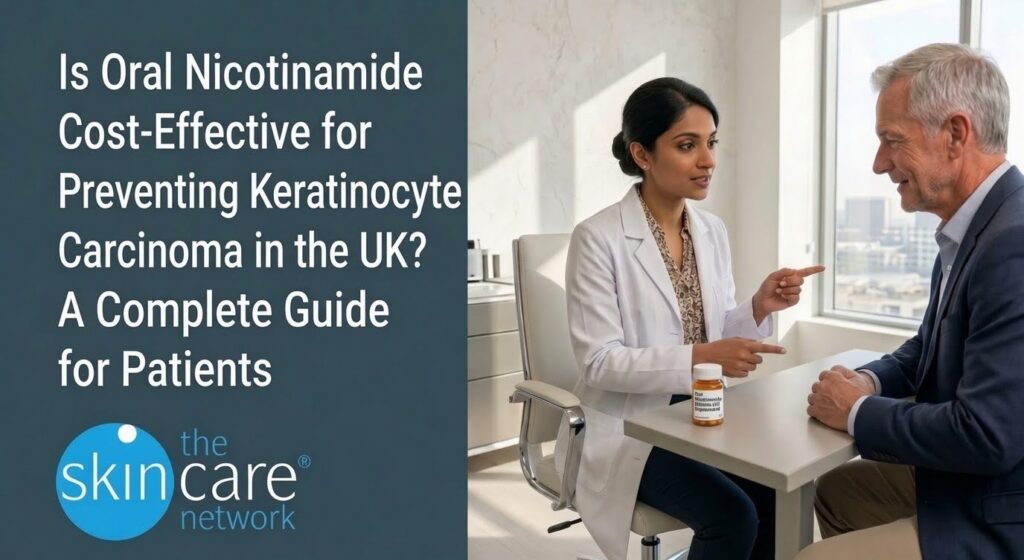
Did you know that a simple, low-cost vitamin B3 supplement could prevent hundreds of skin cancers annually while saving healthcare systems significant resources? A major 2026 economic evaluation shows oral nicotinamide delivers net savings and meaningful patient benefits for those at high risk of keratinocyte carcinoma (KC).
“Oral nicotinamide was a cost-effective and patient-centric preventive approach for KC, particularly in individuals with KC history at high risk of multiple primary KC.” – Study authors, JAMA Dermatology (June 2026)
Key Areas We Will Cover
- What keratinocyte carcinoma is and why prevention matters in the UK
- How oral nicotinamide reduces KC risk based on recent evidence
- Detailed cost-effectiveness findings from the 2026 study
- Practical benefits, safety, and who should consider it
- Implementation tips for UK patients and integration with dermatologist care
Introduction
Keratinocyte carcinoma, which includes basal cell carcinoma and cutaneous squamous cell carcinoma, represents the most common form of skin cancer in the UK, with estimates exceeding 150,000–230,000 cases annually. For patients with a history of KC or other risk factors, prevention is vital to reduce treatment burden and improve quality of life. This article examines the cost-effectiveness of oral nicotinamide, translating the latest 2026 research into actionable insights for UK residents. A dermatologist at The Skin Care Network can help determine if this approach suits your individual risk profile.
What Is Keratinocyte Carcinoma and Why Is Prevention Important?
Keratinocyte carcinoma (KC) is the most common cancer in the UK, driven largely by cumulative UV exposure. It places a substantial burden on patients and the NHS through repeated treatments, monitoring, and potential disfigurement.
Early prevention strategies, including sun protection and chemoprevention like nicotinamide, can dramatically lower incidence in high-risk groups, reducing the need for surgeries and improving long-term outcomes.
How Does Oral Nicotinamide Work for Skin Cancer Prevention?
Oral nicotinamide (a form of vitamin B3) helps repair UV-induced DNA damage and supports skin cell energy metabolism, reducing the likelihood of cancerous changes.
Studies, including the 2026 Veterans Health Administration analysis, show it lowers KC incidence by around 14–20% overall, with greater benefits (up to 54%) when started after an initial KC diagnosis. It is typically taken as 500 mg twice daily.
What Did the 2026 Cost-Effectiveness Study Reveal?
The economic evaluation of over 33,000 high-risk individuals demonstrated clear value.
Nicotinamide use was associated with an absolute risk reduction of 0.051 KC events per person-year, preventing an estimated 624 KCs annually in the exposed group. This translated to net cost savings of $364,581 in the study cohort, with a highly favourable incremental cost-effectiveness ratio (dominant strategy showing cost savings alongside health gains).
Who Benefits Most from Oral Nicotinamide Supplementation?
High-risk patients gain the greatest advantage, including those with multiple prior KCs, organ transplant recipients, older adults, and individuals with extensive actinic damage.
In the UK context, where KC rates remain high, a dermatologist can assess your suitability based on history, skin type, and other factors at our Barnet clinic.
What Are the Safety Profile and Practical Considerations?
Nicotinamide is generally well-tolerated, safe for long-term use, and available over-the-counter or via prescription. Side effects are minimal compared to other preventive options.
UK patients should combine it with rigorous sun protection. Always consult a dermatologist before starting, especially if you have underlying health conditions.
How Can UK Patients Access Nicotinamide and Expert Care?
Discuss supplementation with your GP or a specialist dermatologist. Private consultations offer rapid assessment and personalised plans.
At The Skin Care Network, located at 68-70 Union St, Barnet EN5 4HZ, our dermatologists integrate evidence-based prevention like nicotinamide into comprehensive skin cancer surveillance programmes. Call +44 20 8441 1043 for tailored advice.
Conclusion
Oral nicotinamide emerges as a cost-effective, patient-friendly strategy for preventing keratinocyte carcinoma, delivering both economic savings and reduced symptom burden. For high-risk UK individuals, it complements sun safety and regular dermatologist reviews, shifting care from reactive treatment to proactive protection. Key takeaways include its proven risk reduction, net cost benefits, and suitability for those with prior KCs.
Get Started Today
Ready to explore personalised prevention options? Book a consultation with a dermatologist at The Skin Care Network, to discuss whether oral nicotinamide fits your skin health plan.
Frequently Asked Questions
This FAQ section addresses common reader questions about oral nicotinamide and keratinocyte carcinoma prevention, helping you make informed decisions with guidance from a dermatologist.
Yes, multiple studies, including the 2026 economic analysis, show it reduces new KC incidence, with stronger effects in high-risk patients. It is not a cure but a valuable preventive tool alongside sun protection.
It is inexpensive (often under £20–30 monthly). The 2026 study confirmed net savings through prevented treatments, making it highly cost-effective for suitable patients.
Primarily those with a history of multiple KCs, high UV damage, or immunosuppression. A dermatologist assessment at The Skin Care Network ensures it matches your needs.
It is well-tolerated with a strong safety profile. Rare mild effects may occur; discuss with your doctor, particularly if on other medications.
Availability varies; many patients purchase it privately or via GP recommendation. Private dermatology consultations provide faster access to integrated prevention strategies.