 SEARCH THIS WEBSITE
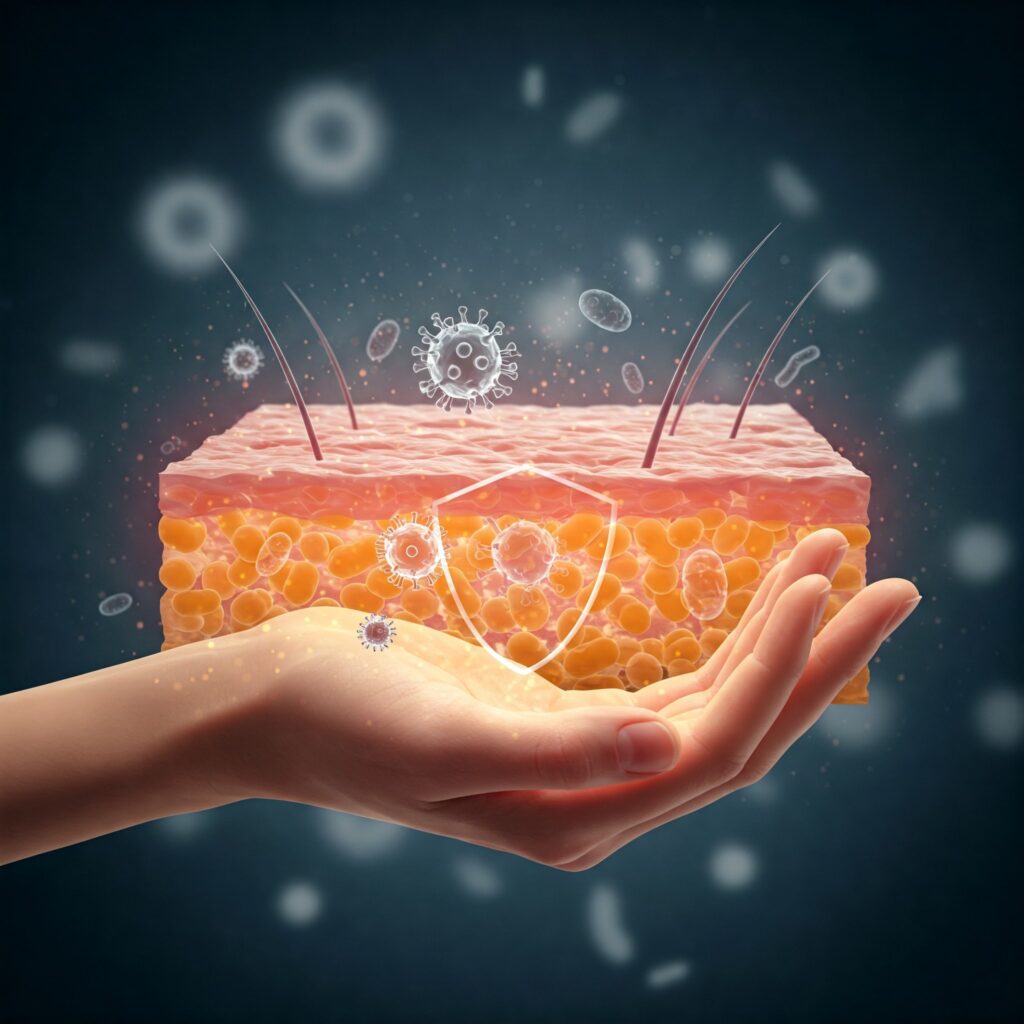
Your skin is the body’s largest organ and its primary shield, yet beneath the surface lies an invisible army of trillions of microorganisms working tirelessly to defend you. Did you know that resident microorganisms on your skin can outnumber human cells and play a crucial role in preventing harmful pathogens from entering the body?
“The skin microbiome is far more than passive residents it actively trains the immune system, produces natural antibiotics, and maintains the skin barrier to keep us healthy,” explains a consultant dermatologist. This guide reveals exactly how the skin defends against pathogens and why nurturing this ecosystem matters for your long-term skin health.
Key Areas We Will Cover:
- How the skin acts as protection and prevents pathogens from entering the body
- The role of the skin microbiome in defence against pathogens
- Resident microorganisms that live on and within the skin
- Mechanisms of skin defence, including physical, chemical, and biological barriers
- Factors that disrupt the skin microbiome and how to restore balance
- Practical ways to support your skin’s natural protection system
- When to consult a dermatologist for skin health concerns
Introduction:
Understanding how the skin protects against pathogens is essential for maintaining healthy, resilient skin. The skin microbiome, a diverse community of bacteria, fungi, viruses, and mites, forms your skin’s invisible defence system. This comprehensive guide explores skin defence against pathogens, the vital role of resident microorganisms that live within the skin, and practical strategies to support this natural protection. Whether you want to learn how skin protects the body from pathogens or how to prevent common issues linked to microbiome imbalance, you will find clear, actionable insights here.
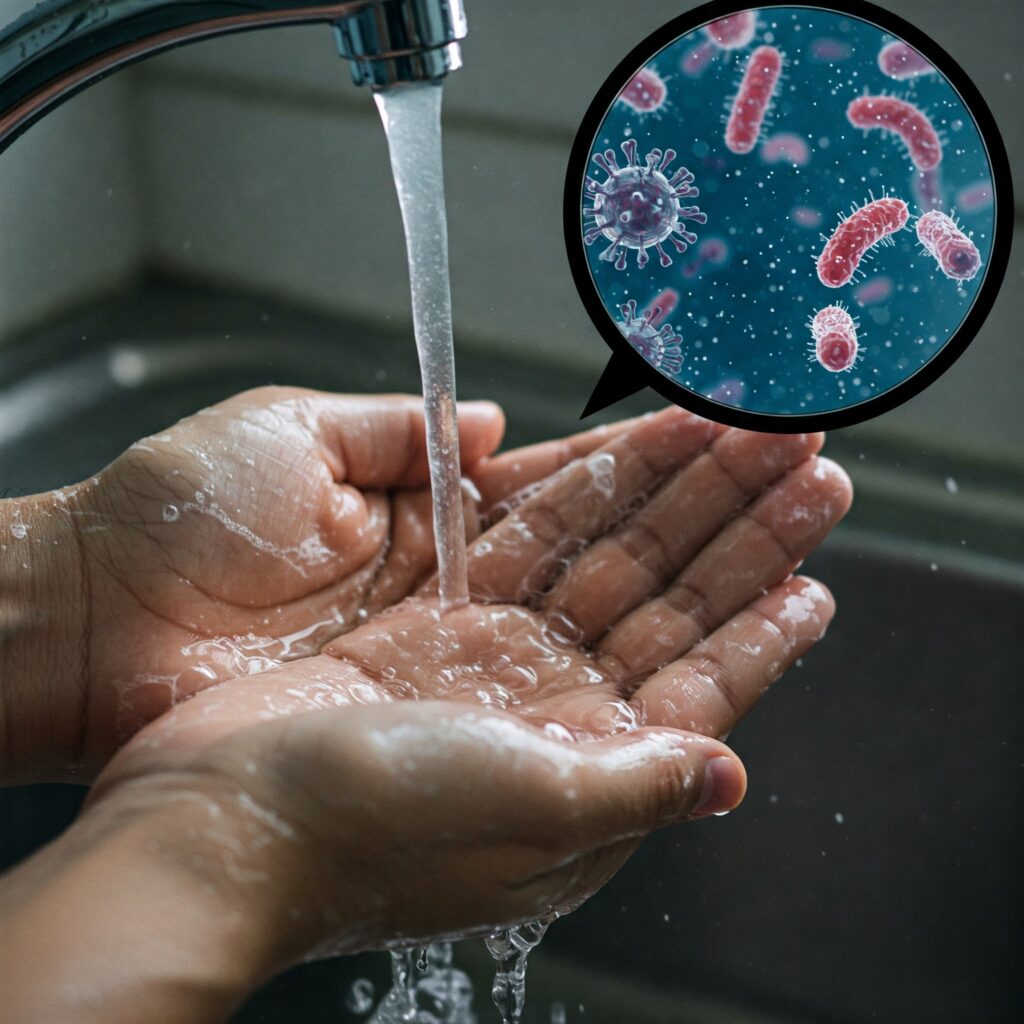
How the Skin Defends Against Pathogens: The Multi-Layered Protection
The skin serves as a sophisticated barrier that prevents pathogens from entering the body through physical, chemical, and biological mechanisms.
Physical Barrier: Skin as Protection
The outermost layer, the epidermis, consists of tightly packed cells and keratin that make it difficult for microbes to penetrate. This physical structure, combined with the skin’s slightly acidic pH and dry surface, creates an inhospitable environment for many invaders.
Chemical Defence
Skin produces antimicrobial peptides, sebum, and enzymes that directly kill or inhibit harmful bacteria and fungi. These natural substances form a chemical shield that supports how the skin prevents pathogens from entering the body.
Biological Defence: The Skin Microbiome
The skin microbiome includes harmless microorganisms that live on the surface of the skin and may provide health benefits. These resident microorganisms live within the skin and are difficult to remove, occupying niches that would otherwise be taken by pathogens. They compete for space and resources, produce substances that suppress harmful microbes, and train the immune system to respond appropriately.
How Does the Skin Microbiome Protect Against Pathogens?
Beneficial microbes:
- Produce bacteriocins and other antimicrobial compounds
- Maintain skin pH and hydration levels
- Modulate immune responses to distinguish between harmless and dangerous organisms
- Enhance wound healing and barrier repair
This colonisation resistance is a key part of skin defence against pathogens and explains how does skin protect the body from pathogens effectively on a daily basis.
Resident Microorganisms: Your Constant Allies
Resident microorganisms live within the skin in areas such as hair follicles, sebaceous glands, and the stratum corneum. Common examples include Staphylococcus epidermidis, Cutibacterium acnes, and Malassezia fungi. These organisms form a stable community that adapts to different body sites (dry, moist, or oily) and provides ongoing protection.
Factors That Disrupt Your Skin’s Defence System
Modern lifestyles can upset this delicate balance (dysbiosis):
- Harsh soaps and over-cleansing
- Antibiotics and strong antiseptics
- Pollution, UV exposure, and stress
- Poor diet or excessive exfoliation
Disruption weakens how the skin defends against pathogens, potentially leading to conditions like acne, eczema, rosacea, or increased infection risk.
How to Support and Strengthen Your Skin Microbiome
- Use gentle, pH-balanced cleansers
- Incorporate prebiotics, probiotics, and postbiotics in skincare
- Choose barrier-supporting ingredients such as ceramides and niacinamide
- Maintain a healthy lifestyle with balanced nutrition, hydration, and stress management
- Avoid unnecessary antibacterial products that harm beneficial microbes
Discover more about personalised skincare routines that respect your microbiome in our dermatology services section.
When to See a Dermatologist
If you experience persistent dryness, irritation, breakouts, or signs of infection, consult a dermatologist. Professional assessment can identify microbiome imbalances and recommend targeted treatments.
Conclusion:
The skin microbiome is your skin’s invisible defence system, working alongside physical and chemical barriers to provide powerful skin defence against pathogens. By understanding how the skin protects against pathogens, the importance of resident microorganisms, and practical ways to maintain balance, you can better support your body’s natural protection. A healthy microbiome leads to stronger, more resilient skin and fewer common concerns.
Strengthen Your Skin’s Natural Defence – Book a Consultation Today
Take proactive steps to support your skin microbiome and overall skin health with expert guidance. Our experienced dermatologists at The Skin Care Network offer personalised assessments and microbiome-friendly treatments. Visit us at 68-70 Union Street, Barnet, North London EN5 4HZ or call 020 8441 1043 to schedule your appointment.
FAQ
Have more questions about how your skin defends itself? The answers below address the most common queries about the skin microbiome and its protective role.
The skin uses a combination of physical barriers, chemical antimicrobial substances, and the microbiome’s biological activity to block and neutralise harmful microbes before they can cause infection.
Through tightly joined epidermal cells, acidic pH, antimicrobial peptides, and beneficial resident microorganisms that compete with invaders.
It provides colonisation resistance, produces natural antibiotics, regulates immune responses, and maintains the skin barrier.
They are beneficial bacteria, fungi, and other microbes that form a stable community on and in the skin, are difficult to remove and essential for protection.
Yes, the skin microbiome includes harmless (and often beneficial) microorganisms that live on the surface of the skin and may provide significant health benefits.
Use gentle skincare, avoid disrupting products, and seek advice from a dermatologist for tailored recommendations.


