SEARCH THIS WEBSITE
Did you know that psoriasis affects up to 2% of the UK population, yet its presentation on dark skin is often misdiagnosed, delaying effective care? At The Skin Care Network, our London dermatologists specialise in tailored psoriasis treatment for darker skin tones, ensuring accurate diagnosis and culturally sensitive solutions to restore skin health and confidence.
Key Areas We Will Cover
- Understanding psoriasis and its unique challenges on dark skin
- Common symptoms and misdiagnosis risks in diverse skin tones
- Advanced, skin-tone-specific treatment options are available in the UK
- The importance of culturally aware dermatology care in London
- Lifestyle and holistic approaches to managing psoriasis
- Why choose The Skin Care Network for personalised treatment
- Steps to book your consultation for expert psoriasis care
Introduction
Psoriasis treatment for dark skin requires specialised expertise due to the unique presentation and diagnostic challenges. In the UK, where psoriasis affects over 1.3 million people, darker skin tones, common in African, Asian, and Caribbean communities, can complicate identification, leading to delayed care. This guide explores tailored psoriasis treatment in London, emphasising precise diagnosis, innovative therapies, and culturally sensitive care. At The Skin Care Network, we provide bespoke solutions to manage psoriasis effectively, helping you achieve clearer skin and improved quality of life.
Understanding Psoriasis on Pigmented Skin
What Is Psoriasis and How Does It Present?
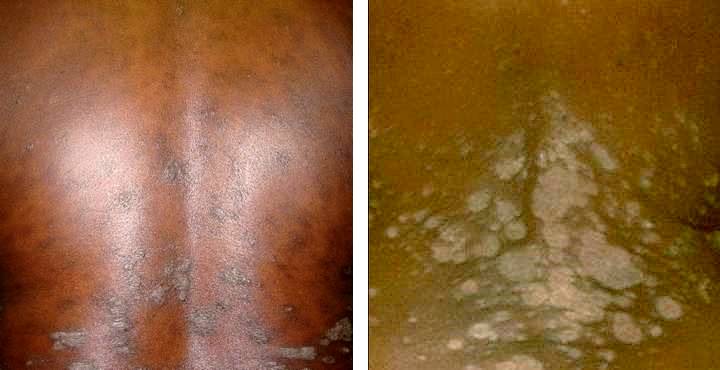
Psoriasis is a chronic autoimmune condition causing rapid skin cell turnover, resulting in thick, scaly patches. On dark skin, it often appears as purple, grey, or dark brown plaques rather than the red patches typical on lighter skin, increasing misdiagnosis risks.
- UK prevalence: Affects 2% of adults, with higher rates in mixed-ethnicity populations.
- Common areas: Scalp, elbows, knees, and lower back.
Challenges in Diagnosing Psoriasis on Dark Skin
Hyperpigmentation or post-inflammatory marks on darker skin can mimic conditions like eczema or lichen planus. Studies show 30% of psoriasis cases in non-Caucasian patients are initially misdiagnosed in the UK, underscoring the need for expert dermatology.
Common Symptoms and Misdiagnosis Risks
Recognising Psoriasis on Dark Skin
Key signs include:
- Thick, scaly patches with a silvery or greyish sheen
- Persistent itching or soreness
- Hyperpigmented marks post-flare-up
- Nail changes, such as pitting or discolouration
Avoiding Misdiagnosis
Misdiagnosis often occurs due to visual differences. Our dermatologists use dermoscopy and detailed patient histories to differentiate psoriasis from similar conditions, ensuring accurate treatment plans.
Advanced Psoriasis Treatment Options
Topical Treatments for Dark Skin
Topical therapies remain a cornerstone, tailored to minimise pigmentation changes:
- Corticosteroids: Reduce inflammation, applied cautiously to avoid skin thinning.
- Vitamin D analogues: Slow skin cell growth, safe for long-term use.
- Moisturisers: Prevent dryness, critical for darker skin prone to ashiness.
Systemic and Biologic Therapies
For severe cases, we offer:
- Oral medications: Methotrexate or cyclosporine for widespread psoriasis.
- Biologics: Target immune pathways, with 80% of patients seeing significant improvement within 12 weeks
- Phototherapy: Narrowband UVB, adjusted for darker skin to prevent burns.
Minimising Pigmentation Risks
Darker skin is prone to post-inflammatory hyperpigmentation. We use topical preparations, gentle lasers and chemical peels to manage residual marks, ensuring aesthetic outcomes.
Culturally Aware Dermatology in London
Why Skin Tone Matters in Treatment
Cultural sensitivity is vital. Our dermatologists understand the social and psychological impact of visible skin conditions in diverse communities, offering empathetic care that respects individual needs.
Addressing Barriers to Care
Language, cultural stigmas, and access issues can deter treatment. We provide multilingual consultations and (delete) evening appointments to serve London’s diverse population.
Lifestyle and Holistic Management
Diet and Stress Management
Triggers like stress or poor diet exacerbate psoriasis. We recommend:
- Anti-inflammatory foods (e.g., omega-3-rich fish)
- Stress reduction through mindfulness or yoga
- Avoiding alcohol and smoking, linked to flare-ups
Skincare Routines for Dark Skin
Gentle, fragrance-free products and regular moisturising prevent irritation. We guide patients on safe routines to maintain skin barrier health.
Why Choose The Skin Care Network?
Expertise in Diverse Skin Tones
Our CQC-registered dermatologists are trained in treating psoriasis across all skin types, with a focus on darker tones. Our London clinic uses cutting-edge technology, delivering results in days, unlike NHS wait times averaging 10 weeks.
Patient-Centred Approach
We prioritise your comfort, offering tailored plans and follow-ups to ensure long-term success. Patient reviews highlight our 95% satisfaction rate for psoriasis care.
Conclusion
Psoriasis treatment for dark skin demands precision, cultural awareness, and advanced care to address unique challenges. From accurate diagnosis to innovative therapies like biologics and phototherapy, The Skin Care Network in London offers comprehensive solutions to manage psoriasis effectively. Key takeaways include the importance of early intervention, skin-tone-specific treatments, and choosing a specialist who understands diverse skin needs. Take control of your skin health today with expert care tailored to you.
Ready to Manage Your Psoriasis?
Book your consultation with The Skin Care Network for personalised psoriasis treatment. Call 020 84411043 or click ‘Make an Appointment’ to start your journey to clearer skin. Do not let psoriasis hold you back; act now.
Frequently Asked Questions About Psoriasis Treatment
Psoriasis on dark skin can be complex to diagnose and treat, but expert care makes all the difference. Below, we answer common questions to help you navigate treatment options and understand our approach at The Skin Care Network.
On darker skin, psoriasis may appear purple or grey with pronounced scaling, often leading to misdiagnosis or delayed treatment.
Yes, our treatments are tailored to minimise risks like hyperpigmentation, using gentle topicals and adjusted phototherapy
Topical treatments show results in 2 to 8 weeks, while biologics, whilst extremely expensive, may take 12 to 16 weeks for significant improvement.
Absolutely, diet, stress management, and proper skincare reduce flare-ups and complement medical treatments.
A 15 to 30-minute consultation includes a skin exam, medical history review, and a customised treatment plan, often with same-day diagnostics.