SEARCH THIS WEBSITE
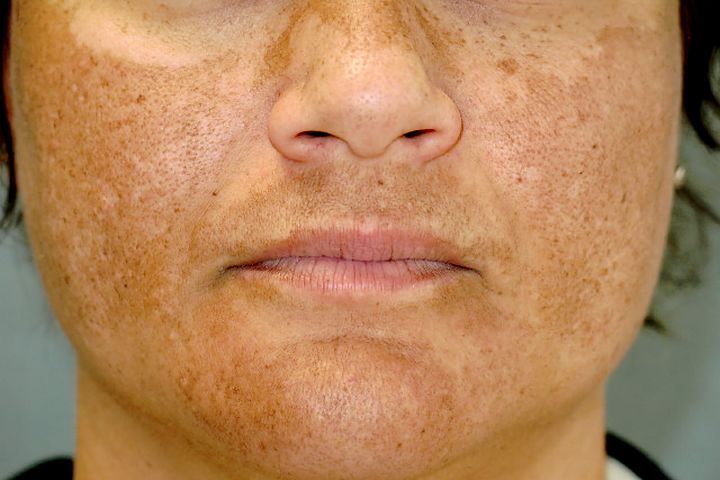
Did you know that melasma affects women with darker skin tones disproportionately and can persist for years without the right approach? In 2026, new topical agents and visible-light blocking sunscreens offer safer, more effective ways to manage this stubborn pigmentation for skin of colour.
Key Areas We Will Cover
- What melasma is and why it is more common in darker skin tones
- Key triggers including hormones, sun exposure, and visible light
- Safe and effective treatment options tailored for skin of colour
- The role of advanced topicals like thiamidol, tranexamic acid, and 2-MNG
- Why strict sun protection is non-negotiable
- When to see a Dermatologist and what to expect at our Barnet clinic
Introduction
Melasma causes symmetrical dark patches, typically on the face, and is particularly common and persistent in people with olive, brown, or darker skin. A Dermatologist understands that treating melasma in skin of colour requires a careful, tailored approach to avoid irritation or worsening pigmentation. This guide shares the latest 2026 insights and practical strategies for patients in London, Barnet, and Hertfordshire.
What Is Melasma and Why Does It Affect Darker Skin More?
Melasma is a form of hyperpigmentation where melanocytes overproduce melanin, creating brown, grey-brown, or bluish patches, often on the cheeks, forehead, upper lip, and chin.
People with darker skin tones have more active melanocytes, making them more susceptible. Hormonal changes (pregnancy, contraceptive pill, HRT), genetics, and sun exposure are major triggers. Unlike simple sun spots, melasma involves deeper dermal and epidermal pigment and often recurs without ongoing management.
What Triggers Melasma Flare-Ups?
- Hormones: Pregnancy (“mask of pregnancy”), oral contraceptives, and thyroid issues.
- UV and Visible Light: Both UVA/UVB and blue visible light stimulate pigment production more strongly in darker skin.
- Heat and Inflammation: Hot climates, saunas, or irritating skincare.
- Medications and Cosmetics: Certain drugs or fragranced products.
Identifying your personal triggers is the first step a Dermatologist takes during consultation.
Safe Melasma Treatments for Darker Skin Tones in 2026
Treatment must balance efficacy with safety to prevent post-inflammatory hyperpigmentation. An answer-first approach prioritises gentle, evidence-based options.
Topical Therapies (First-Line)
Prescription and advanced non-hydroquinone options now dominate:
- Triple combination creams (where appropriate).
- Azelaic acid (anti-inflammatory and pigment-reducing, excellent tolerability).
- Tranexamic acid (topical or oral for resistant cases).
- Newer agents: Thiamidol and 2-MNG (non-inferior to hydroquinone with better long-term safety).
- Niacinamide, cysteamine, and kojic acid as supportive ingredients.
Procedural Options
- Chemical peels (mandelic or gentle superficial peels).
- Microneedling with targeted serums.
- Fractional non-ablative or pico lasers (used cautiously by experienced practitioners).
Lasers are not contraindicated for darker skin but require the correct wavelength and settings to avoid rebound.
Strict Sun Protection: The Foundation of Success
Daily broad-spectrum SPF 50+ with iron oxides or tinted formulas that block visible light is essential. Reapply every two hours outdoors. Hats, shade, and antioxidant serums provide additional defence. Without this, even the best treatments fail.
Lifestyle and Maintenance Tips
- Use gentle, fragrance-free skincare (pH-balanced cleansers).
- Avoid picking or aggressive exfoliation.
- Manage hormones where possible in discussion with your GP or specialist.
- Be patient – visible improvement often takes 8–12 weeks or longer.
Professional Care at The Skin Care Network
Our consultant Dermatologists create individualised plans considering your exact skin tone, melasma depth, and lifestyle. We combine the latest topical advances with safe procedures for optimal results while minimising risks.
68-70 Union St, Barnet EN5 4HZ, United Kingdom
Conclusion
Melasma on darker skin is highly manageable in 2026 with expert guidance, consistent sun protection, and modern treatments. While not always curable, most patients see substantial fading and regain skin confidence through a Dermatologist-led approach that respects the unique needs of skin of colour.
Get Started Today
Struggling with melasma or facial pigmentation? Book a consultation with a Dermatologist at The Skin Care Network for a personalised assessment and treatment plan.
📞 Call +44 20 8441 1043 or request an appointment online at our Barnet clinic serving London and Hertfordshire.
Frequently Asked Questions
Yes, when performed by an experienced Dermatologist. Treatments are carefully selected to avoid irritation or worsening pigmentation common in skin of colour.
Most patients notice improvement within 8–12 weeks with consistent topical use and sun protection, though deeper or hormonal melasma may require 3–6 months or longer.
Certain fractional and pico lasers can be effective and safe, but only with the right technology and expert settings. Incorrect use risks rebound or scarring.
Melasma often recurs without maintenance. Lifelong sun protection and occasional topical touch-ups help keep it under control.
It remains effective for some but newer alternatives like thiamidol or azelaic acid are preferred for longer use due to better safety profiles in darker skin.
See a specialist if over-the-counter products fail, pigmentation affects your confidence, or you want a tailored plan that considers your skin tone. Early expert intervention yields the best outcomes.