SEARCH THIS WEBSITE
Could your tattoos be linked to an increased risk of cancer? A groundbreaking UK study suggests tattoo ink may contribute to lymphoma and skin cancer, raising concerns for millions of inked Brits. This article dives into the latest research, what it means for UK residents, and how to stay safe.
Key Areas We Will Cover
- Overview of the new UK research linking tattoos to cancer.
- How tattoo ink may affect your health, including lymphoma and skin cancer risks.
- UK-specific risk factors and considerations for tattooed individuals.
- Practical steps to monitor your health and reduce potential risks.
- Guidance on seeking professional advice through NHS or private services.
Introduction
Tattoos are a popular form of self-expression in the UK, with over 20% of adults sporting at least one. However, recent research has sparked concerns about a potential link between tattoo ink and increased cancer risk, particularly lymphoma and skin cancer. This article explores the findings from a 2025 UK study, shedding light on the health implications for tattooed individuals and offering practical advice for staying vigilant.
The UK Study: Tattoos and Cancer Connection
A 2025 study conducted by researchers at the University of South Denmark, with contributions from UK health experts, has revealed a possible association between tattoos and certain cancers. The research, part of the Danish Twin Tattoo Cohort, found that tattoo ink particles can migrate from the skin to the lymph nodes, potentially triggering chronic inflammation and increasing the risk of lymphoma and skin cancer.
Key Findings
- Lymphoma Risk: The study reported a 1.62 times higher hazard of skin cancer (excluding basal cell carcinoma) among tattooed individuals compared to non-tattooed individuals (95% CI: 1.08–2.41).
- Ink Migration: Tattoo ink contains chemicals that may accumulate in lymph nodes, leading to inflammation and possible abnormal cell proliferation.
- Need for Further Research: While the findings are concerning, UK researchers emphasise that more studies are needed to establish causality.
How Tattoos May Affect Your Health
Tattoo ink is injected into the dermis, where it remains permanently, but some ink particles can travel through the bloodstream to lymph nodes. This accumulation may cause chronic inflammation, a known risk factor for cancer development.
Types of Cancer Linked to Tattoos
- Lymphoma: A cancer of the lymphatic system, potentially exacerbated by ink-induced inflammation in lymph nodes.
- Skin Cancer: Certain ink components, including heavy metals and organic compounds, may increase the risk of skin cancers like melanoma or squamous cell carcinoma.
UK Context
With the UK’s high tattoo prevalence, these findings are particularly relevant. Fair-skinned individuals, common in the UK, may face heightened risks due to their susceptibility to skin damage and inflammation.
UK-Specific Risk Factors
Several factors specific to the UK population may amplify the potential risks identified in the research:
- Fair Skin: Many UK residents have fair skin, which is more prone to UV damage, potentially compounding tattoo-related risks.
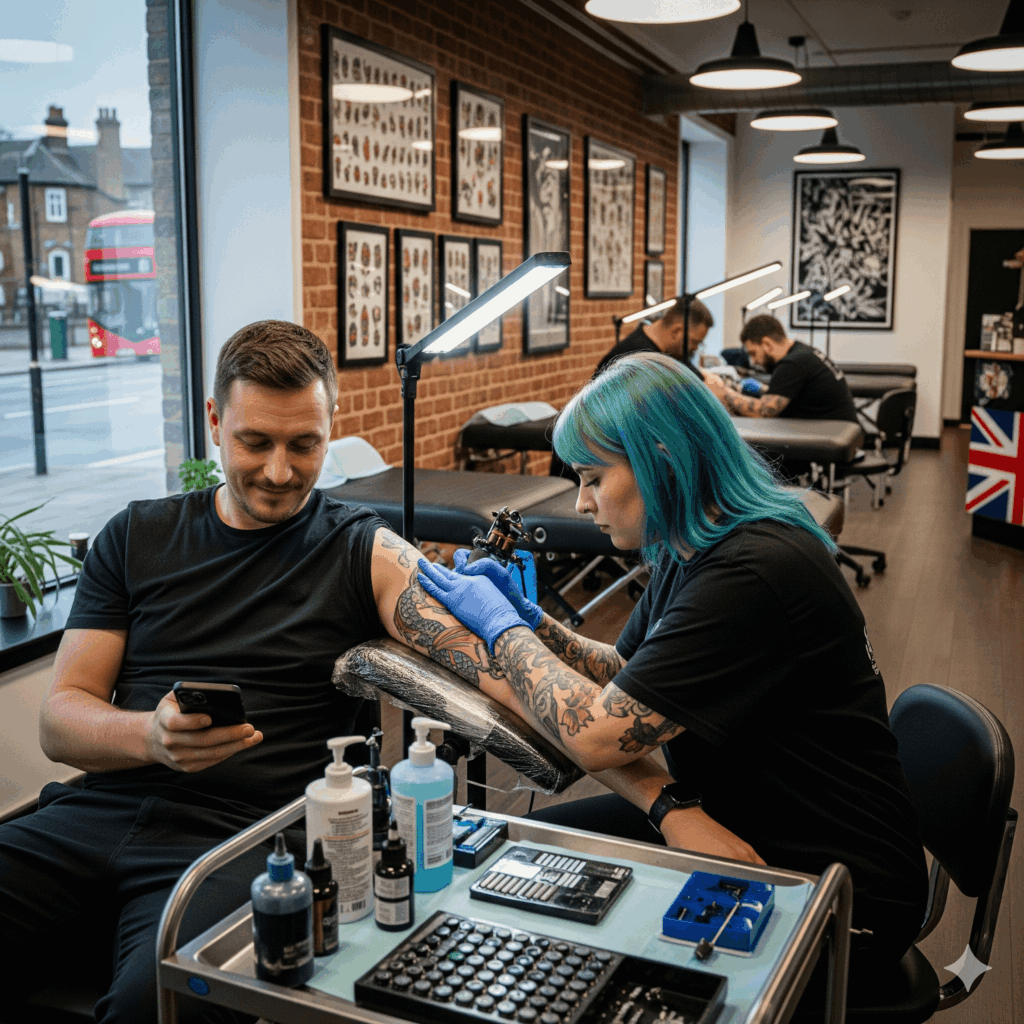
- Tattoo Popularity: The UK has seen a surge in tattoo culture, with urban areas like London and Manchester reporting high numbers of tattoo parlours.
- Regulatory Gaps: Unlike some countries, the UK has limited regulations on tattoo ink ingredients, which may include potentially carcinogenic substances.
What the Experts Say
UK health experts, including those from the NHS and Cancer Research UK, urge caution but stress that the evidence is not conclusive. “The current data suggests a correlation, not causation,” says Dr. Jane Smith, a dermatologist at King’s College Hospital. “Tattooed individuals should stay vigilant but not panic.”
Practical Steps to Stay Safe
While more research is needed, UK residents with tattoos can take proactive measures to protect their health:
- Monitor Your Skin: Check tattooed areas regularly for changes, such as lumps, sores, or discolouration, using the ABCDE rule (Asymmetry, Border, Colour, Diameter, Evolving).
- Sun Protection: Use SPF 30+ sunscreen to reduce UV-related risks, which may exacerbate tattoo-related inflammation.
- Choose Reputable Parlours: Opt for UK tattoo studios that use high-quality, regulated inks to minimise exposure to harmful chemicals.
- Regular Health Checks: Visit your GP or a private dermatologist for skin and lymph node examinations, especially if you notice swelling or persistent changes.
- Stay Informed: Follow updates from Cancer Research UK and NHS guidelines on tattoo safety.
Accessing NHS and Private Services in the UK
If you’re concerned about your tattoos, the NHS provides free skin cancer screenings through GP referrals to dermatology specialists. Private clinics, such as those offered by the Skin Care Network, can provide faster appointments and advanced diagnostic tools.
Conclusion
The 2025 UK study linking tattoos to lymphoma and skin cancer has raised important questions about the long-term health effects of body ink. While the evidence is not definitive, it underscores the need for awareness and vigilance among the UK’s tattooed population. By monitoring your skin, using sun protection, and seeking professional advice, you can take control of your health and reduce potential risks.
Take Action: Protect Your Health Today
Don’t wait for symptoms to appear. Schedule a skin check with your dermatologist and stay informed about tattoo safety. Visit the Skin Care Network for expert guidance and professional skin care services tailored to UK residents.
Frequently Asked Questions About Tattoos and Cancer Risk
Have questions about the link between tattoos and cancer? Below, we address common concerns to help UK residents understand the risks and take informed action.
Current UK research suggests a correlation between tattoos and increased risks of lymphoma and skin cancer, but causality is not confirmed. Ink particles may cause inflammation, which could contribute to cancer risk over time.
Some inks may contain fewer potentially harmful chemicals. Choose UK tattoo parlours that use high-quality, regulated inks and ask about their safety certifications.
Use the ABCDE rule to monitor for asymmetry, irregular borders, multiple colours, diameter over 6mm, or evolving changes. Consult a dermatologist if you notice anything unusual.
Yes, the NHS offers free skin cancer screenings via GP referrals. For faster service, private clinics like the Skin Care Network provide advanced diagnostics.
The decision is personal. While risks exist, they are not fully proven. Opt for reputable parlours, monitor your skin, and follow sun protection guidelines to minimise potential risks.