SEARCH THIS WEBSITE
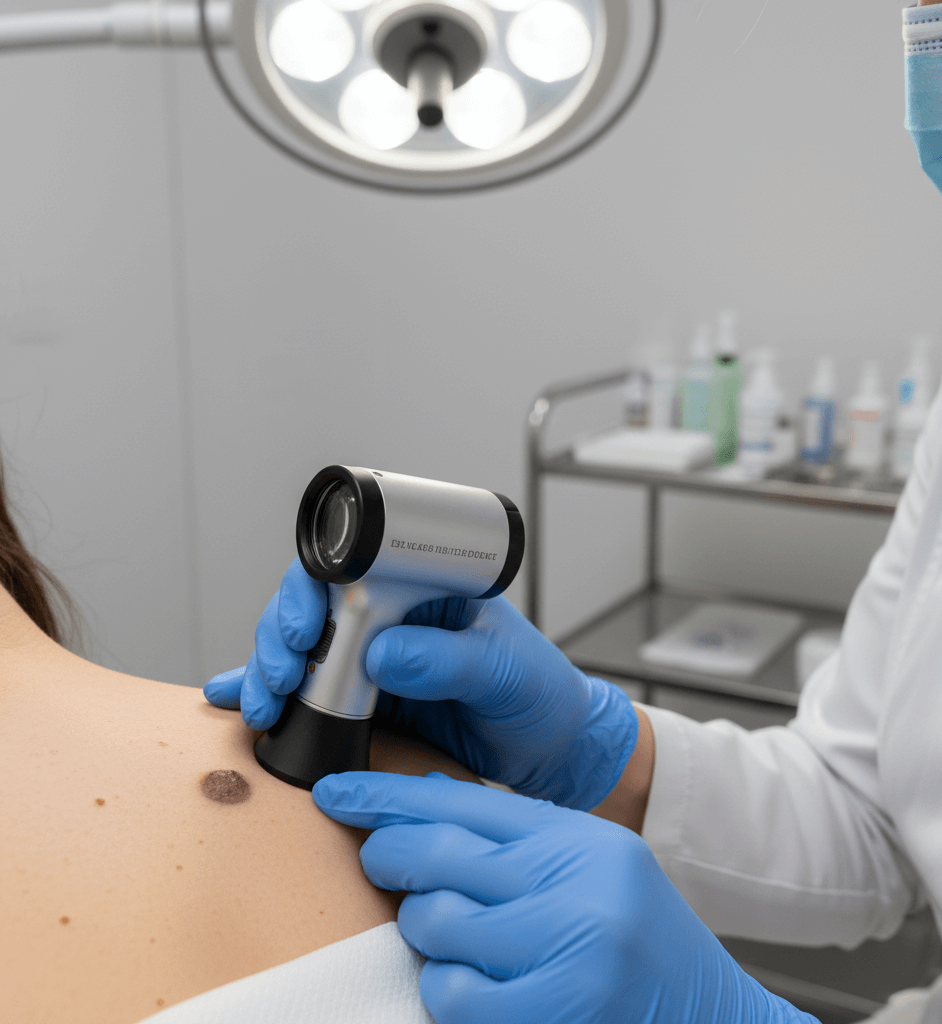
Melanoma cases rising but deaths falling in younger groups? England’s latest data from 2001–2020 shows incidence plateauing while mortality drops, especially under 75. The SkinCare Network unpacks these trends and what they mean for UK skin health.
Key Areas We Will Cover
- Incidence shifts for melanoma in situ (MIS) and malignant melanoma (MM) in England.
- Age and gender patterns in rising and falling rates.
- Mortality trends and the impact of new treatments.
- Why are rates changing: awareness, diagnostics, or behaviour?
- Steps for early detection and prevention in the UK.
Introduction
Melanoma remains a major concern in England, with over 300,000 cases of MIS and MM recorded from 2001–2020. While incidence once surged, recent years show stabilisation, particularly in younger people, alongside declining mortality. The SkinCare Network analyses national registry data to highlight these shifts, emphasising early detection and sun safety for better outcomes.
Incidence of Melanoma in Situ (MIS)
86,792 MIS cases registered (51% female).
- Overall Trend: Rapid rise from 4.5 to 12.5 per 100,000 (2001–2015, APC 7.5%), then slowdown to 13.3 (2015–2019, APC 1.9%).
- Younger Ages (<25): Decreasing since late 2000s.
- Older Groups: Continued increases, decelerating around 2015 in 50+ years.
Gender crossover: More common in women until 60–64, then men.
Incidence of Malignant Melanoma (MM)
220,286 MM cases (51% female).
- Overall Trend: From 14.6 to 19.6 (2001–2006, APC 6.3%), slowing to 26.7 (2006–2014, APC 4.1%), then 28.4 (2014–2019, APC 1.4%).
- Younger Ages (<25): Declining post-2005.
- Middle Ages (25–49): Plateauing or decreasing (men from 2015).
- Older Ages (>70): Highest rises, but slowing since early 2010s.
Men overtook women in rates from 2005.
Mortality from Malignant Melanoma
35,377 deaths (43% female).
- Overall: Increased to 2014 (APC 1.8%), then decreased (2014–2019, APC –2.7%).
- Younger (<60): Declining throughout.
- 60–74: Rose until early 2010s, then fell.
- >75: Still increasing, decelerating in men from 2015.
Higher in men across ages; the proportion of male deaths rose in 70+.
Why Are Trends Changing?
- Stabilisation/Decline in Young: Reduced sun-seeking, diverse ethnicity (White population down to 81.7%), long-term prevention campaigns.
- Older Increases: Cumulative UV exposure, ageing population, lower diagnostic thresholds.
- Mortality Drop: Early detection, immunotherapy/targeted therapies since 2012; pre-2010 declines suggest better diagnostics.
- Overdiagnosis Debate: Thinner tumours detected, but early intervention saves lives.
Implications for UK Skin Health
Rising cases in older men signal the need for targeted awareness. Projected doubling of 85+ by 2045 heightens the burden.
Prevention and Early Detection Tips
- Sun Safety: SPF 30+, shade 11am–3pm, no tanning beds.
- Self-Checks: ABCDE rule monthly.
- Professional Screening: Annual for high-risk; NHS 2-week wait for suspicious lesions.
- Access Care: GP referral or private at The SkinCare Network for rapid assessment.
Conclusion
England’s melanoma landscape is shifting: incidence stabilising, mortality falling in under-75s, but challenges persist in older men. These trends underscore success in awareness and therapeutics, while highlighting needs for targeted elderly outreach and diagnostics. The SkinCare Network promotes vigilance for sustained progress.
Take Action: Prioritise Your Skin Health Today
Spot a changing mole? Book a check with your GP or The SkinCare Network for expert evaluation. Visit The SkinCare Network for comprehensive melanoma care across the UK.
Frequently Asked Questions About Melanoma Trends
Insights from The SkinCare Network on common queries.
Incidence plateauing overall; rising in older men, falling in youth.
Better treatments since 2012; earlier diagnosis in younger groups.
Men over 75 have the highest incidence and mortality growth.
Likely contributing to youth declines after 20+ years.
Monitor changes; consult dermatologists promptly.