SEARCH THIS WEBSITE
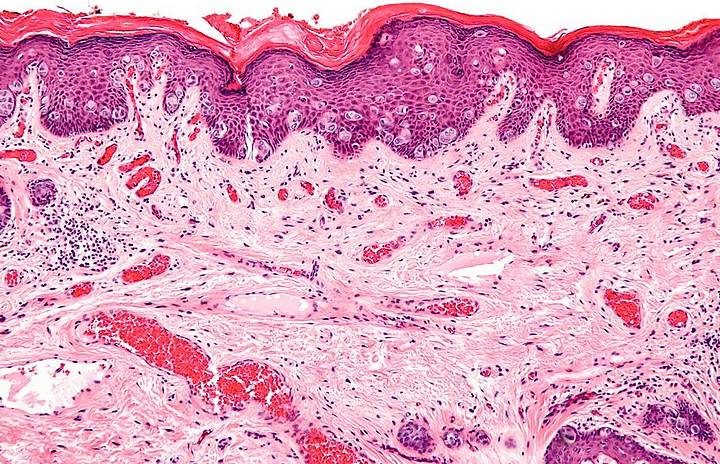
A persistent, itchy red rash in the genital, anal, or armpit area that does not respond to standard creams may be more than eczema. Extramammary Paget disease (EMPD) is a rare skin cancer that requires expert diagnosis and tailored management by a dermatologist to prevent recurrence and associated complications.
Key Areas We Will Cover
- What extramammary Paget disease is and its typical symptoms
- Why EMPD is often misdiagnosed and how a dermatologist can help
- Modern treatment options including surgery and topical therapies
- Long-term monitoring and support available in the UK
Introduction
Extramammary Paget disease (EMPD) is a rare form of skin cancer arising in the upper layers of the skin, most commonly affecting apocrine gland-rich areas such as the genital, anal, or axillary regions. Although not as aggressive as melanoma, EMPD can be debilitating, recurrent, and sometimes linked to underlying internal cancers. This guide explains the condition, diagnosis, and treatment pathways, emphasising the importance of specialist dermatologist care at clinics like The Skin Care Network.
What Are the Symptoms of Extramammary Paget Disease?
EMPD typically presents as a red, scaly, or crusty patch that may itch, burn, or bleed.
Lesions often resemble eczema or fungal infections, leading to delayed diagnosis. Pain and weeping can occur as the condition progresses, making prompt dermatologist evaluation essential.
Why Is EMPD Frequently Misdiagnosed?
Its similarity to common inflammatory skin conditions often results in initial treatment with topical steroids or antifungals that provide little benefit.
A dermatologist uses clinical expertise, biopsy, and advanced imaging to differentiate EMPD from mimics and rule out associated malignancies.
How Does Microscopy Help Diagnose and Manage EMPD?
Reflectance microscopy (RCM) offers a noninvasive, real-time cellular view that aids in disease extent and guiding treatment.
This technology is particularly useful in sensitive areas and for monitoring recurrence, often reducing the need for repeated biopsies.
What Treatment Options Are Available for Extramammary Paget Disease?
Treatment is individualised and may include topical therapies, photodynamic therapy, laser ablation, or surgical excision.
Mohs micrographic surgery is often preferred for tissue preservation and lower recurrence rates, while wide local excision remains an option for suitable cases. A dermatologist will recommend the most appropriate approach.
Why Is Ongoing Monitoring Important After EMPD Treatment?
EMPD has a tendency to recur, so regular follow-up with a dermatologist is crucial.
Early detection of any return allows for less invasive intervention. Screening for associated internal cancers may also be advised depending on individual risk.
Where Can UK Patients Receive Specialist Care for EMPD?
Access to experienced dermatologists and advanced tools like microscopy is available at specialist centres.
Conclusion
Extramammary Paget disease, though rare, requires timely diagnosis and expert treatment to minimise recurrence and improve quality of life. With advances such as microscopy and precision surgery, outcomes continue to improve under dermatologist supervision. Early specialist input is key to effective management.
Get Started Today
If you are experiencing persistent skin changes in sensitive areas, consult a dermatologist promptly. Book an appointment at The Skin Care Network by calling +44 20 8441 1043 or visiting our clinic at 68-70 Union St, Barnet EN5 4HZ, United Kingdom, for expert assessment and personalised care.
Frequently Asked Questions
This FAQ section addresses common queries about extramammary Paget disease to support informed discussions with your dermatologist.
Yes, with appropriate treatment many cases are successfully managed, although long-term monitoring is necessary due to recurrence risk.
Both share similar cellular features, but EMPD occurs outside the breast, typically in genital or axillary areas, affecting both men and women.
It can often reduce the need for invasive biopsies, and follow-up, but histology may still be required for confirmation.
Age, certain genetic factors, and underlying internal malignancies can play a role. A dermatologist can assess your individual situation.
Seek referral to a dermatologist or contact The Skin Care Network directly for prompt evaluation.