SEARCH THIS WEBSITE
Skin cancer is often thought of as an adult concern, yet it can and does affect children. In the UK, childhood melanoma rates remain a notable concern, with early detection playing a vital role in successful outcomes.
“Although rare, skin cancer in children requires prompt attention regular skin checks and sun protection from an early age can significantly reduce risks,” explains a consultant dermatologist.
This guide answers the most common questions, including can children get skin cancer and can kids get skin cancer, while providing practical advice for parents.
Key Areas We Will Cover:
- How common is skin cancer in children and kids
- Types of skin cancer in children, including childhood melanoma
- Signs and symptoms of skin cancer in children
- Risk factors for skin cancer in kids
- Prevention strategies and sun safety for children
- When to consult a dermatologist
- Treatment options and what to expect
Introduction:
Many parents wonder can children get skin cancer or can kids get skin cancer, especially with increasing awareness of sun damage. While skin cancer in children remains relatively rare, it is important to recognise that childhood skin cancer, particularly melanoma, does occur and requires vigilance. This comprehensive guide covers skin cancer children symptoms, risk factors, prevention, and more, empowering families to protect their little ones and spot early warning signs.
How Common Is Skin Cancer in Children?
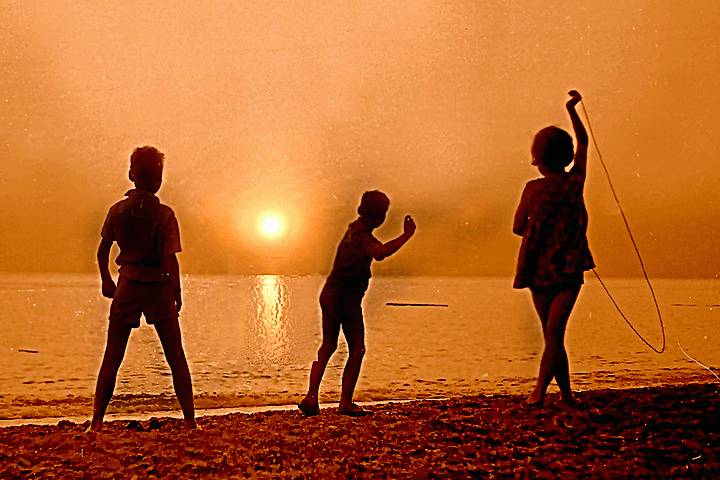
Skin cancer in children is uncommon compared with adults, but incidence rises in teenagers. Melanoma is the most frequent type in kids, accounting for the majority of cases. UK statistics show higher rates of childhood skin cancer in Britain compared with much of Europe, highlighting the need for awareness. Skin cancer kids cases are more often diagnosed in adolescents aged 15–19, though younger children can also be affected.
Can Children Get Skin Cancer? Types and Overview
Childhood Melanoma
The most common form of skin cancer in kids. It often appears differently in children than in adults, frequently as a pink, red, or amelanotic (flesh-coloured) bump rather than a dark mole.
Basal Cell Carcinoma and Squamous Cell Carcinoma
These are rarer in children but can develop, typically on sun-exposed areas. They usually present as pearly bumps, scaly patches, or non-healing sores.
Signs and Symptoms of Skin Cancer in Children
Symptoms can be subtle. Look for:
- A new or changing mole or bump
- A lesion that bleeds, itches, or crusts
- A pink, red, or flesh-coloured growth
- A sore that does not heal
For childhood melanoma, use adapted criteria (often called the ABCDE rule for kids or ABCD):
- A – Amelanotic (not darkly pigmented) or Asymmetry
- B – Bleeding or Bump
- C – Colour uniform (or varied)
- D – De novo (new lesion) or Diameter
- E – Evolution (changing in size, shape, or symptoms)
Risk Factors for Skin Cancer in Kids
Key risks include:
- Fair skin, freckles, blond or red hair, and light eyes
- History of blistering sunburns (even one in childhood significantly raises risk)
- Numerous or atypical moles
- Family history of melanoma or skin cancer
- Weakened immune system or certain genetic conditions
Prevention: Protecting Children from Skin Cancer
Prevention is the most effective strategy:
- Avoid midday sun (10am–4pm)
- Use broad-spectrum SPF 30+ sunscreen generously and reapply every two hours
- Dress children in protective clothing, wide-brimmed hats, and sunglasses
- Never use sunbeds
- Teach children sun safety habits early
- Perform monthly skin checks at home
When to See a Dermatologist
Contact a dermatologist if you notice any new, changing, or unusual spot on your child’s skin, especially if it bleeds, grows, or fails to heal. Parents’ instincts are powerful early professional assessment provides peace of mind or timely intervention.
Treatment for Skin Cancer in Children
Treatment usually begins with surgical removal of the lesion. Depending on the type and stage, further options may include additional surgery, targeted therapy, or immunotherapy. Early-stage childhood skin cancer often has excellent outcomes with minimal intervention.
Conclusion:
Skin cancer in children and skin cancer kids cases, though uncommon, underscore the importance of sun protection and awareness. By understanding can children get skin cancer, recognising signs of childhood melanoma, and adopting strong prevention habits, parents can significantly lower risks. Regular skin checks and professional advice form the cornerstone of safeguarding your child’s skin health for life.
Protect Your Child’s Skin – Book a Paediatric Dermatology Consultation
If you have concerns about a mole, spot, or your child’s sun exposure history, our specialist dermatologists at The Skin Care Network are here to help. We offer expert assessment tailored to children and families. Visit us at 68-70 Union Street, Barnet, North London EN5 4HZ or call 020 8441 1043 to arrange an appointment today.
FAQ
Still have questions about skin cancer in children? The answers below tackle the most searched concerns from parents across the UK.
Yes, although rare, children can develop skin cancer, with melanoma being the most common type in kids.
It is uncommon in young children but increases in teenagers. UK data shows notable cases, particularly in adolescents.
Look for new bumps, changing moles, bleeding or itchy lesions, and non-healing sores, often pink or red rather than dark.
It is the most frequent skin cancer in children and can appear as a rapidly growing pink or flesh-coloured bump.
Blistering sunburns in childhood greatly increase lifetime risk, making sun protection essential from an early age.
Perform monthly checks using the adapted ABCDE criteria and consult a dermatologist for any concerns.
See a specialist for any new, changing, bleeding, or persistent skin lesion, or if you have risk factors in the family.