SEARCH THIS WEBSITE
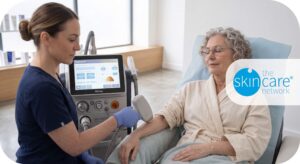
Did you know that autumn and winter are widely regarded as the smartest seasons to start laser hair removal in the UK? Lower sun exposure, more natural skin tone and the chance to complete a full course before summer make the colder months ideal for safer, more effective results.
“Starting laser hair removal in autumn or winter gives your skin the best conditions for treatment and means you can enjoy smoother results by the time warmer weather returns.”
Key Areas We Will Cover
- Why autumn and winter offer safer conditions for laser hair removal
- How reduced sun exposure improves results
- Timing your treatment course to be ready for summer
- Practical benefits of cooler-weather aftercare
- What to expect from a professional laser hair removal plan
- How to get started with a Dermatologist
Why the Colder Months Give You the Best Head Start
Many people associate laser hair removal with summer preparation, yet the cooler months actually provide the most favourable conditions. With less intense sunlight, reduced tanning and natural covering from winter clothing, autumn and winter create an ideal window for starting a course of treatment. This article explains the key advantages of beginning laser hair removal now and why a Dermatologist-led approach delivers the safest and most reliable outcome. At The Skin Care Network we help patients take advantage of this seasonal opportunity with advanced laser technology.
Why Are Autumn and Winter the Best Time for Laser Hair Removal?
The combination of lower UV exposure and more natural skin tone makes treatment safer and more effective.
Laser hair removal works by targeting the pigment (melanin) in the hair follicle. When skin is tanned or recently sun-exposed, the contrast between hair and surrounding skin is reduced, which can lower effectiveness and raise the risk of side effects such as pigmentation changes. In autumn and winter most people’s skin returns closer to its natural tone, allowing the laser to target follicles more precisely.
How Does Reduced Sun Exposure Help?
Less sunlight means lower risk and better treatment conditions.
After laser treatment the skin is temporarily more sensitive to UV light. In summer it can be difficult to avoid sun exposure on treated areas. During autumn and winter, shorter days, weaker UV levels and heavier clothing naturally protect the skin, making aftercare simpler and reducing the chance of complications. This also allows practitioners to use optimal settings from the start of the course.
Why Does Timing Matter for a Full Treatment Course?
Laser hair removal requires multiple sessions because hair grows in cycles.
A typical course involves several treatments spaced four to eight weeks apart. Starting in autumn or early winter usually allows patients to complete the recommended number of sessions by spring or early summer. This means smoother, lower-maintenance skin is ready when lighter clothing and warmer weather arrive, rather than beginning a course just before a holiday and expecting immediate results.
What Are the Practical Benefits of Cooler-Weather Treatment?
Winter clothing and lifestyle make the process more comfortable.
Mild redness or sensitivity can occur after treatment. Long sleeves, trousers and layered clothing provide natural protection and make it easier to follow aftercare advice. There is also less temptation to use fake tan or spend extended time outdoors, both of which can interfere with treatment. Many patients find it simpler to stay consistent with appointments during the quieter colder months.
What Should You Expect from Professional Laser Hair Removal?
A thorough consultation and personalised plan are essential.
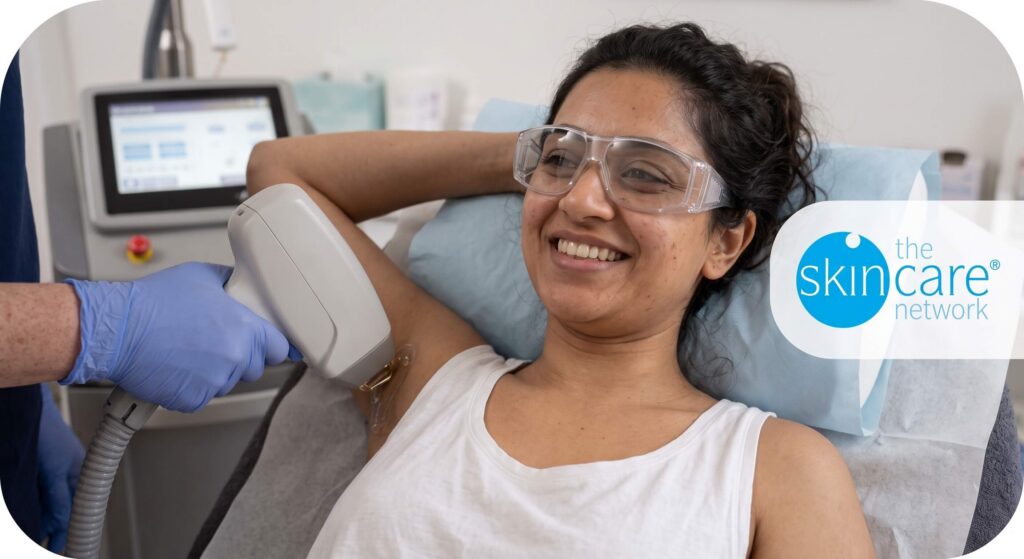
A Dermatologist or trained clinician will assess your skin type, hair colour, medical history and treatment goals. A patch test is usually performed before the full course begins. Modern dual-wavelength systems can be adjusted for different skin tones, improving both safety and results. Treatment is typically quick, with most areas taking only a short time per session.
How Can UK Patients Make the Most of This Season?
Booking a consultation now allows you to start at the optimal time.
Discuss your concerns, the areas you wish to treat and the expected number of sessions. Consistent attendance and good aftercare (especially sun protection) support the best outcome.
At The Skin Care Network, located at 68-70 Union St, Barnet EN5 4HZ, United Kingdom, our team provides laser hair removal using advanced technology suitable for a wide range of skin tones. Call +44 20 8441 1043 to book a consultation or learn more about starting your course this autumn or winter.
Conclusion
Autumn and winter offer clear advantages for laser hair removal in the UK: safer conditions due to lower sun exposure, more natural skin tone for precise targeting, easier aftercare, and enough time to complete a full course before summer. Starting now is a practical way to achieve longer-lasting hair reduction with greater comfort and confidence. A consultation with a Dermatologist ensures the treatment plan is tailored to your skin and goals.
Get Started Today
Ready to take advantage of the best season for laser hair removal? Book a consultation with a Dermatologist at The Skin Care Network and begin your journey toward smoother skin this autumn or winter.
Frequently Asked Questions
This FAQ section answers common questions about starting laser hair removal in the colder months, helping you make an informed decision with guidance from a Dermatologist.
Yes. In fact, these seasons are often preferred because skin is less tanned and sun exposure is naturally lower, which improves both safety and effectiveness.
Most people require a course of treatments spaced several weeks apart. Starting in autumn or winter usually allows completion of the main course by spring or early summer. Exact numbers depend on the area treated, hair type and individual response.
It is best to wait until any significant tan has faded. A Dermatologist will assess your skin at consultation and advise when it is safe to begin.
You should minimise sun exposure and use high-factor sunscreen on treated areas. This is much easier to manage in autumn and winter than in summer.
Modern dual-wavelength systems can be adjusted for a wide range of skin tones. A proper consultation and patch test confirm suitability and the safest settings for your skin.