SEARCH THIS WEBSITE
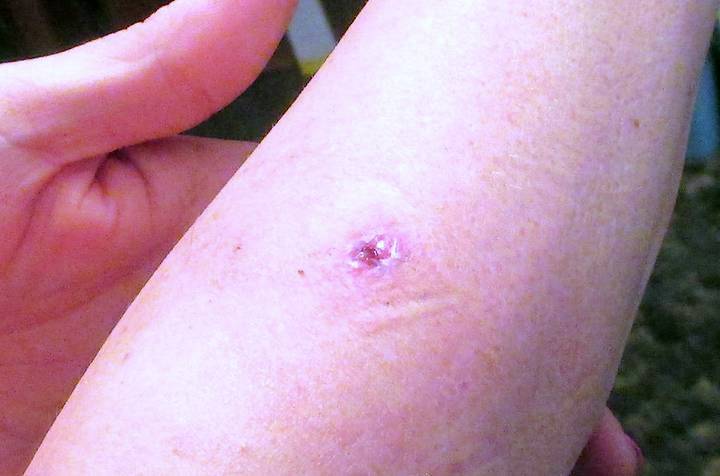
Worried about an unsightly mole and tempted to remove it yourself with DIY methods found online? You could end up with permanent scarring, infection, or worse – missing a potentially life-threatening melanoma. A dermatologist strongly advises against home mole removal, as the risks far outweigh any perceived convenience.
Key Areas We Will Cover
- The common dangers and complications of DIY mole removal
- Why home methods fail to address skin cancer risks
- How professional dermatologist assessment ensures safety and accuracy
- Safe, effective alternatives available in the UK
- Practical steps for London and Hertfordshire residents concerned about moles
Introduction
Unsafe mole removal at home continues to pose serious risks despite widespread warnings. From DIY creams and freezing kits to more extreme suggestions like scissors or tape, these methods often result in scarring, infection, and incomplete removal. This guide explains the hazards, highlights the importance of professional care, and provides actionable advice for UK patients. At The Skin Care Network, our dermatologists offer safe, evidence-based solutions for mole concerns.
What Are the Main Risks of Attempting Mole Removal at Home?
Home mole removal frequently leads to poor cosmetic results and medical complications.
Methods such as over-the-counter creams, freezing sprays, or improvised tools cause thick scarring, incomplete excision, and higher infection rates due to inadequate sterilisation. Many patients later require corrective cosmetic procedures.
Why Can DIY Mole Removal Mask or Worsen Skin Cancer?
Removing a mole yourself prevents proper examination by a dermatologist, potentially missing melanoma or other skin cancers.
Even if the visible part is removed, cancerous cells in deeper layers may remain and spread. Professional evaluation, including dermoscopy or confocal microscopy, ensures accurate diagnosis and complete treatment.
How Does a Dermatologist Safely Assess and Remove Moles?
A consultant dermatologist performs thorough checks using clinical examination and advanced imaging to determine if a mole is benign or suspicious.
Safe removal options include shave excision, surgical excision, or laser techniques when appropriate, with histology analysis for any concerning lesions. This approach minimises scarring and addresses underlying issues.
What Are the Long-Term Consequences of Unsafe Home Methods?
Beyond immediate infection or scarring, DIY removal can delay cancer diagnosis, leading to more aggressive treatment later.
Patients often face emotional distress from poor aesthetic outcomes and additional costs for revision surgery. Professional care prevents these avoidable problems.
Who Is at Greatest Risk and When Should You Seek Professional Help?
Anyone attempting home removal, particularly those with changing moles, fair skin, or a history of sun exposure, faces elevated risks.
See a dermatologist promptly if a mole changes in size, shape, colour, or symptoms (the ABCDE rule). Early assessment at clinics like The Skin Care Network can provide peace of mind.
Safe Mole Management Options in the UK Today
Modern dermatology offers precise, minimally invasive techniques far superior to DIY approaches. Teledermatology consultations make initial assessments convenient, followed by in-clinic procedures when needed.
Focus on prevention through regular self-checks and sun protection rather than self-treatment.
Conclusion
Unsafe mole removal at home is never worth the risk. It can cause lasting scars, infections, and missed skin cancer diagnoses, whereas a dermatologist provides accurate assessment and safe treatment. Prioritising professional care protects both your health and appearance.
Get Started Today
Concerned about a mole? Book a consultation with a dermatologist at The Skin Care Network for expert evaluation and safe management. Call +44 20 8441 1043 or visit our clinic at 68-70 Union St, Barnet EN5 4HZ, United Kingdom. Early action brings peace of mind and optimal outcomes.
Frequently Asked Questions
This FAQ section addresses common concerns about mole removal to help you make safe, informed decisions with guidance from a dermatologist.
No. All home methods carry significant risks of scarring, infection, and missed malignancy. Professional dermatologist care is the only safe option.
Contact a dermatologist immediately. Use the ABCDE rule (Asymmetry, Border, Colour, Diameter, Evolving) and avoid any self-treatment.
While not directly causing cancer, they can damage skin and mask underlying issues, delaying proper diagnosis and treatment.
Private consultations and procedures vary; they offer faster access and expert care. NHS routes are available via GP referral for concerning lesions.
Yes. Our dermatologists provide comprehensive assessments and safe removal at 68-70 Union St, Barnet EN5 4HZ. Call +44 20 8441 1043 to book.