 SEARCH THIS WEBSITE
Did you know that up to 90% of skin cancer cases in the UK are linked to UV exposure, much of which can occur in or around your home? Understanding how your home environment influences skin cancer risk is crucial for protecting yourself and your family.
Key Areas We Will Cover
- The role of UV exposure in your home and garden
- Practical home modifications to reduce skin cancer risk
- Lifestyle habits at home that support skin health
- The latest statistics and research on skin cancer in the UK
- Actionable tips to create a skin-safe home environment
- Frequently asked questions about skin cancer and your home
Introduction
Skin cancer remains one of the most common cancers in the UK, with over 16,000 new melanoma cases diagnosed annually. While many associate UV exposure with holidays or outdoor activities, your home environment plays a significant role in skin cancer risk. From sunlight streaming through windows to lifestyle choices like tanning habits, your home can either increase or reduce your exposure to harmful UV rays. This article explores how your home environment impacts skin cancer risk and offers practical, evidence-based strategies to create a safer space for you and your loved ones.
The Hidden Dangers of UV Exposure at Home
UV Rays Through Windows
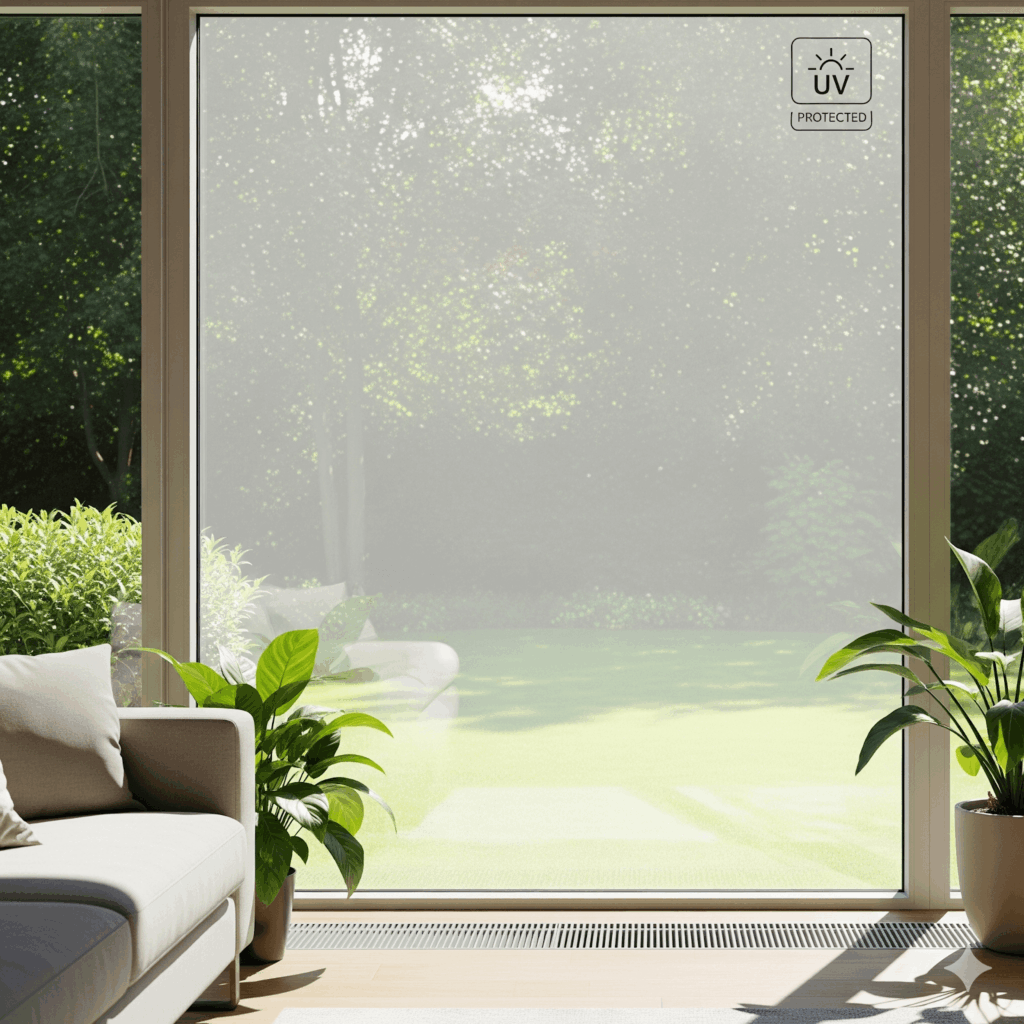
Sunlight streaming through windows may seem harmless, but standard glass does not block UVA rays, which penetrate deep into the skin and contribute to skin cancer risk. Research from Cancer Research UK indicates that prolonged exposure to UVA through windows can damage skin cells over time.
- Tip: Install UV-protective window films or blinds to block up to 99% of harmful UV rays without sacrificing natural light.
- Fact: UVA rays can penetrate clouds and glass, making indoor UV exposure a year-round concern.
Garden and Outdoor Spaces
Your garden or patio can be a hotspot for UV exposure, especially during summer months when UV levels peak. Spending time outdoors without protection increases your risk of melanoma and non-melanoma skin cancers.
- Solution: Create shaded areas using pergolas, awnings, or UV-protective umbrellas.
- Data: The British Skin Foundation reports that 86% of melanomas are preventable with proper sun protection.
Home Modifications for Skin Cancer Prevention
UV-Protective Window Treatments
Upgrading your home with UV-blocking window films or specialist glazing can significantly reduce indoor UV exposure. These solutions are cost-effective and maintain your home’s aesthetic.
- Options: Look for films with a Solar Protection Factor (SPF) rating or consult a dermatologist-approved supplier.
- Benefit: Reduces UVA penetration by up to 99%, protecting skin and furniture.
Smart Lighting Choices
While artificial lighting doesn’t directly cause skin cancer, excessive use of tanning beds or UV-based light therapy at home can increase risk. Avoid installing UV-emitting devices and opt for LED lighting, which is safer for skin health.
- Warning: Home tanning beds can emit UV radiation up to 15 times stronger than the sun, per NHS guidelines.
Lifestyle Habits to Support Skin Health at Home
Sun Protection Indoors and Outdoors
Even at home, sun protection is essential. Apply broad-spectrum sunscreen (SPF 30 or higher) if you’re near windows or spending time in the garden. Reapply every two hours during peak UV hours (10 am–4 pm).
- Routine: Use sunscreen daily, even on cloudy days, as UV rays can penetrate clouds.
- Product Tip: Choose mineral-based sunscreens with zinc oxide for sensitive skin.
Regular Skin Checks
Your home is the perfect place to establish a routine for checking your skin for unusual moles or changes. Early detection of skin cancer significantly improves outcomes.
- How-To: Use a full-length mirror to check your skin monthly, focusing on the ABCDE criteria (Asymmetry, Border, Colour, Diameter, Evolving).
- Resource: The NHS offers free guides on self-examination techniques.
Latest UK Skin Cancer Statistics
- Melanoma Cases: Over 16,700 new cases of melanoma are diagnosed in the UK each year (Cancer Research UK, 2025).
- Non-Melanoma Skin Cancer: Approximately 147,000 cases are reported annually, often linked to cumulative UV exposure.
- Rising Trends: Skin cancer rates have increased by 45% in the UK over the past decade, partly due to increased indoor and outdoor UV exposure.
Creating a Skin-Safe Home Environment
Practical Steps for Every Household
- Shade Solutions: Install retractable awnings or plant trees to create natural shade in outdoor spaces.
- Sunscreen Stations: Keep sunscreen dispensers in key areas like the kitchen or near garden doors for easy access.
- Education: Teach family members about UV risks and the importance of protective clothing, such as wide-brimmed hats and UV-protective fabrics.
Technology and Tools
Modern technology can help monitor UV exposure. Wearable UV sensors or smartphone apps can alert you to high UV levels, even at home.
- Recommendation: Apps like UVLens provide real-time UV index updates tailored to your location.
Conclusion
Your home environment plays a critical role in skin cancer prevention. By understanding the risks of UV exposure through windows, gardens, and lifestyle choices, you can take proactive steps to protect your skin. Simple changes, like installing UV-protective window films, creating shaded outdoor areas, and adopting regular skin checks, can make a significant difference. Stay informed, stay protected, and make your home a safe haven against skin cancer.
Take Action Today: Protect Your Skin at Home
Take the first step to protect your skin today. Explore UV-protective solutions, book a professional skin check, and access expert advice at the SkinCare Network. Download our free skin cancer prevention guide to start creating a safer home environment now.
Frequently Asked Questions About Skin Cancer and Your Home
Yes, UVA rays can pass through standard window glass, contributing to skin damage over time. Installing UV-protective window films can block up to 99% of these rays.
If you spend significant time near windows or in well-lit rooms, applying broad-spectrum sunscreen (SPF 30+) is recommended to protect against UVA exposure.
Create shaded areas with awnings, umbrellas, or trees, and wear protective clothing and sunscreen when outdoors, even for short periods.
No, home tanning beds emit intense UV radiation, increasing skin cancer risk. The NHS advises against their use.
Check your skin monthly using the ABCDE criteria. Consult a dermatologist if you notice any unusual moles or skin changes.


