 SEARCH THIS WEBSITE
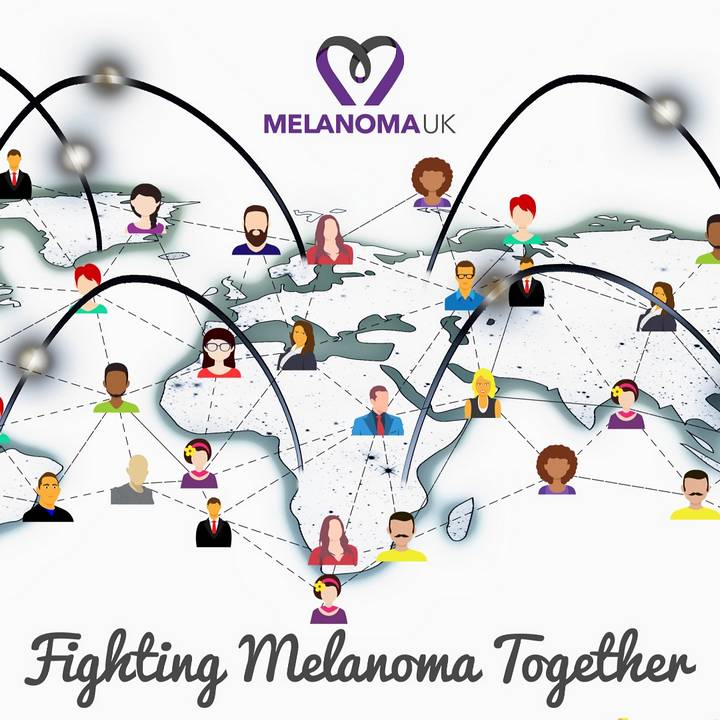
Did you know that melanoma cases worldwide reached around 330,000 in recent global estimates, with projections indicating substantial increases if current trends continue, making it a pressing international public health issue despite being largely preventable?
Key Areas We Will Cover
- The current global burden of melanoma incidence and mortality
- Rising trends in the UK and comparisons with international patterns
- Key risk factors driving the increase worldwide
- Why melanoma is an international concern, including disparities in outcomes
- Advances in prevention, early detection, and treatment
- Practical steps for UK residents to reduce personal risk
- The importance of regular dermatologist checks
Introduction
Melanoma stands as one of the most serious forms of skin cancer and a growing international concern, with incidence rates climbing in many countries due to factors like UV exposure and demographic shifts. In the UK, where melanoma is the fifth most common cancer, cases have risen significantly over recent decades, mirroring broader global patterns. This updated article examines the latest statistics, underlying causes, and strategies for prevention and early intervention, empowering readers to take proactive steps with expert dermatologist guidance.
The Global Burden of Melanoma
Melanoma incidence varies widely by region, with the highest rates in fair-skinned populations in areas of high UV exposure such as Australia, New Zealand, North America, and Northern Europe.
Recent global data highlights:
- Around 330,000 new cases were diagnosed worldwide in recent years, making it the 17th most common cancer
- Approximately 58,000-60,000 deaths annually
- Highest age-standardised incidence rates in Oceania (around 30 per 100,000), followed by North America and Europe
- Lower rates in Asia and Africa, though mortality can be disproportionately high due to limited access to early care
Projections suggest the burden could rise further without sustained prevention efforts, underscoring melanoma’s status as an international priority.
Rising Incidence in the UK
In the UK, melanoma rates have increased markedly, reflecting both improved awareness and ongoing risk factors.
Key UK trends:
- Incidence has risen by around 147% since the early 1990s, with a 31% increase in the last decade
- Projections indicate a further 9% rise between 2023-2025 and 2038-2040, reaching about 26,500 new cases annually
- Highest rates in older adults (85-89 years), though younger groups show concerning patterns in some regions
- Record highs have been reported in recent years, with early detection contributing to high survival for many cases (over 90% diagnosed at stages with excellent prognosis)
These increases align with global patterns but highlight the need for targeted UK prevention.
Why Melanoma Is an International Concern
Melanoma’s preventability contrasts with its rising burden, driven by UV radiation (responsible for most cases), tanning behaviours, and ageing populations.
Contributing factors include:
- Chronic and intense UV exposure from sun and artificial sources like sunbeds
- Fair skin phenotypes more common in high-incidence regions
- Geographic disparities: high incidence in developed nations with strong screening, versus higher mortality in lower-resource areas
- Emerging rises in younger adults in parts of Europe and elsewhere, linked to lifestyle changes
International bodies like the WHO and IARC emphasise the need for global action on UV protection and awareness to curb this trend.
Advances in Prevention and Early Detection
Progress in melanoma outcomes stems from better awareness, screening, and therapies.
Notable developments:
- Early-stage diagnosis yields five-year survival rates exceeding 90-95% in the UK
- Immunotherapy and targeted treatments have transformed advanced cases
- Tools like dermoscopy and mole mapping enhance accuracy for dermatologists
- Public campaigns promote sun safety, self-exams using the ABCDE rule, and avoidance of sunbeds
These efforts have slowed mortality rises in many places, even as incidence grows.
Practical Steps to Reduce Risk
Simple, consistent habits can substantially lower melanoma risk for UK residents.
Recommended actions:
- Use broad-spectrum SPF 30+ (ideally 50+) daily, reapplying every two hours outdoors
- Seek shade during peak UV hours (11 am-3 pm), wear protective clothing, hats, and sunglasses
- Avoid sunbeds entirely, as they significantly elevate risk
- Perform monthly skin self-checks and seek prompt dermatologist review for changes
- Consider annual professional screenings if high-risk (fair skin, many moles, family history)
These measures address the primary preventable cause: UV exposure.
Conclusion
Melanoma’s status as a growing international concern stems from rising global incidence, projected increases, and persistent UV-related risks, despite encouraging survival improvements through early detection and modern treatments. Key takeaways include the sharp UK rises mirroring worldwide patterns, the dominance of preventable UV factors, and the life-saving potential of vigilance and professional care. By prioritising sun safety and regular checks, individuals can meaningfully reduce their risk.
Take Control of Your Skin Health Today
Concerned about changing moles, sun exposure history, or family risk factors for melanoma? Book a thorough examination with our consultant dermatologists at The Skin Care Network. Visit us at 68-70 Union St, Barnet EN5 4HZ, United Kingdom, or call +44 20 8441 1043 to schedule your appointment and gain personalised prevention advice.
Frequently Asked Questions
Melanoma trends and prevention often prompt questions from those concerned about personal or family risk. This section addresses common queries based on current global and UK data to support informed decisions alongside your dermatologist.
Globally, around 330,000 cases occur annually, with the UK seeing continued rises and projections of about 26,500 new cases per year by the late 2030s.
Incidence is increasing in many regions due to UV exposure and lifestyle factors, while disparities in early access lead to higher mortality in some areas despite preventability.
UV exposure from sun and sunbeds tops the list, alongside fair skin, many moles, family history, and previous sunburns, particularly in childhood.
Adopt lifelong sun protection: use high-SPF sunscreen, seek shade, cover up, avoid tanning beds, and monitor skin changes regularly.
Seek advice promptly for new or changing moles, persistent sores, or if you have high-risk features like fair skin or extensive sun history; early checks are crucial for best outcomes.


