Did you know that in the UK, drivers and passengers face asymmetric skin cancer risks due to UV rays penetrating car windows, with recent studies showing a modest but significant right-sided predominance in non-melanoma cases like basal cell carcinoma (52%) and squamous cell carcinoma (54%)?
Key Areas We Will Cover
- How UV rays penetrate car windows and contribute to skin cancer risk
- UK-specific evidence on asymmetric skin cancer linked to driving position
- Updated statistics on skin cancer incidence and preventable factors
- Practical prevention strategies for drivers and passengers
- Additional benefits of protective measures like UV window film
- When to consult a dermatologist for skin checks
Introduction
Driving poses an often-overlooked danger to skin health beyond road accidents: prolonged exposure to ultraviolet (UV) radiation through car windows. While windshields block most UV rays, side windows allow significant UVA penetration, contributing to cumulative damage and elevated skin cancer risk. This updated guide from The Skin Care Network explores current evidence, including recent UK studies on laterality, and offers evidence-based advice to safeguard your skin during everyday journeys.
UV Exposure Through Car Windows Explained
Car glass provides uneven protection against UV radiation. Front windshields, typically laminated, block over 90-99% of UVA and UVB rays. Side and rear windows, however, often transmit substantial UVA, the longer-wavelength ray responsible for deeper skin penetration, premature ageing, and cancer development.
Key facts:
- Side windows may block only around 70-88% of UVA on average, varying by vehicle age, type, and mileage
- UVA passes through glass year-round, even on cloudy days or in winter
- Chronic exposure during commutes adds to lifetime UV dose, a primary preventable cause of skin cancers
Recent research confirms that inadequate side-window protection contributes to photodamage, particularly for frequent drivers.

Asymmetric Skin Cancer Risks in UK Drivers
In the UK, where drivers sit on the right, emerging evidence points to a right-sided predominance in non-melanoma skin cancers. A 2026 study from Addenbrooke’s Hospital analysed thousands of cases:
- Basal cell carcinoma (BCC): 52% right-sided
- Squamous cell carcinoma (SCC): 54% right-sided
This modest asymmetry aligns with the driver’s right-side exposure to side windows. Earlier international studies showed left-sided bias in left-driving countries, but improved glass in modern vehicles may shift patterns. The findings underscore driving as a contributory factor, especially for those spending hours behind the wheel.
Occupational drivers (e.g., delivery, taxi, or long-haul) and daily commuters face heightened cumulative risk, alongside fair-skinned individuals or those with outdoor work histories.
Current Skin Cancer Statistics in the UK
Skin cancer remains the UK’s most common cancer, with non-melanoma types (BCC and SCC) far outnumbering melanoma. Incidence continues to rise, driven by UV exposure, ageing populations, and lifestyle factors.
Notable updates:
- Melanoma cases projected at record highs, with many preventable through UV reduction
- Non-melanoma cases link strongly to chronic UV, including occupational and commuting exposure
- Prevention efforts have curbed some trends in younger groups, but older adults see persistent increases
Driving adds an insidious, daily UV source that compounds these risks.
Prevention Strategies for Drivers and Passengers
Protecting your skin while driving requires simple, effective steps beyond relying on vehicle glass alone.
Recommended actions:
- Apply broad-spectrum SPF 30+ (ideally SPF 50) to face, neck, arms, and hands before journeys
- Wear long sleeves, wide-brimmed hats, and UV-protective sunglasses
- Use visors and avoid open windows on sunny days
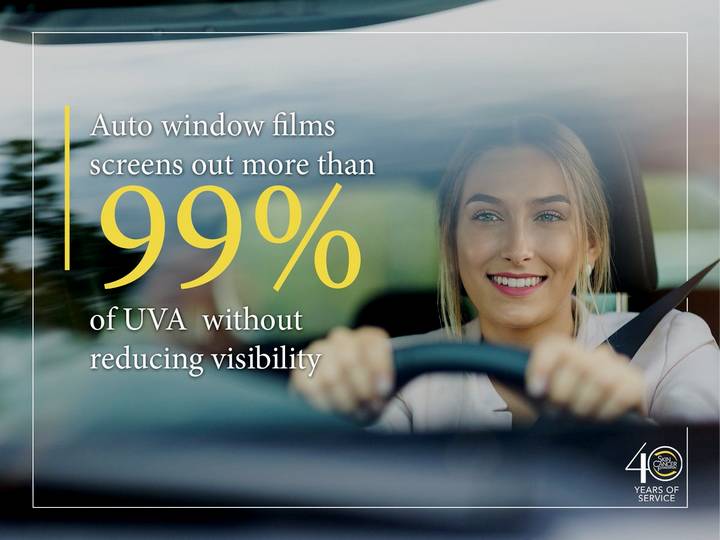
- Install UV-blocking window film on side and rear windows (blocks up to 99% UV, available in clear or tinted)
- Choose vehicles with enhanced UV protection where possible (e.g., some luxury or newer models)
UV window film offers extra advantages: cooler interiors, reduced air conditioning use, protection from fading interiors, and shatter resistance.
These measures significantly lower lifetime risk without major inconvenience.
When to Seek Professional Advice
If you notice changes like new growths, persistent sores, or asymmetric pigmentation (especially right-sided in UK drivers), consult promptly. Regular skin checks are vital for high-risk groups, including frequent drivers.
A dermatologist can perform thorough examinations, including dermoscopy for early detection.
Conclusion
Driving’s hidden UV dangers, from window penetration to asymmetric exposure patterns, contribute meaningfully to UK skin cancer rates. Recent evidence reinforces the need for proactive protection, particularly during commutes or long drives. Key takeaways include the right-sided predominance in non-melanoma cases, the limitations of standard car glass, and the effectiveness of sunscreen, clothing, and UV film. By adopting these habits, you can substantially reduce preventable risks.
Take Control of Your Skin Health Today
Concerned about UV exposure from driving or noticing skin changes? Book a consultation with our experienced dermatologists at The Skin Care Network. Call +44 20 8441 1043 to arrange your personalised skin check and advice on prevention.
Frequently Asked Questions
Common questions about driving-related UV risks and skin cancer often arise from recent studies and daily habits. Here are answers to help you stay informed and protected.
Yes, while windshields block most UVA and UVB, side windows typically allow 10-30% or more UVA through, leading to cumulative damage over time.
UK right-hand driving exposes the right face and body more to side-window UV, with studies showing modest right-sided predominance in BCC and SCC cases.
Absolutely; broad-spectrum SPF protects against penetrating UVA rays. Reapply for long journeys.
It is a thin layer applied to glass that blocks up to 99% UV while maintaining visibility. It reduces skin risk, cools the car, and protects interiors.
Frequent drivers, those with fair skin, history of sunburns, or visible changes benefit most from annual or more frequent dermatologist assessments.