SEARCH THIS WEBSITE
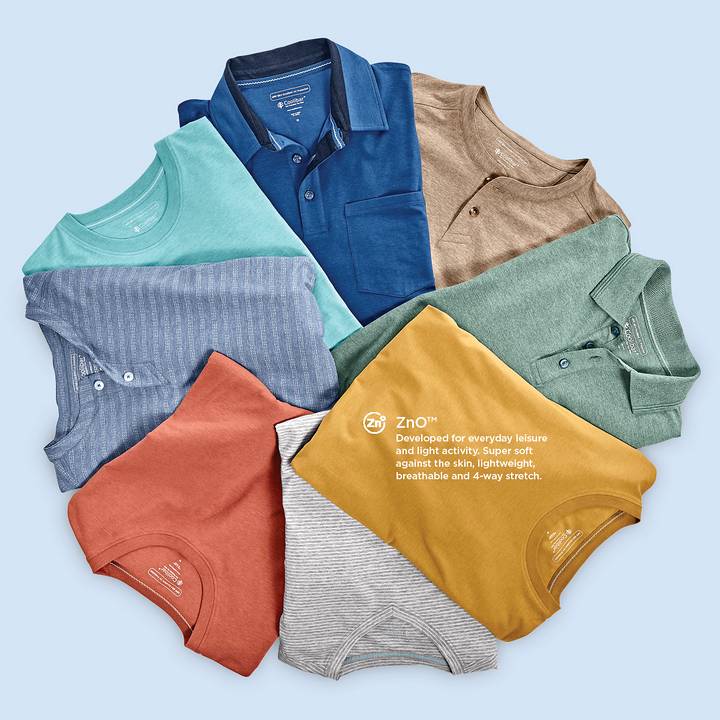
Did you know that clothing can block over 98% of harmful UV rays when rated UPF 50+, often providing more reliable and consistent protection than sunscreen alone, especially during prolonged outdoor activities in the UK?
Key Areas We Will Cover
- How sun protective clothing works and the meaning of UPF ratings
- Why it outperform ordinary clothing for UV protection
- UK guidelines and recommendations from leading health authorities
- Benefits for skin cancer prevention and everyday use
- Choosing the right UPF clothing, including fabrics, fit, and accessories
- Practical tips for incorporating it into your routine
- When to combine with sunscreen and seek dermatologist’s advice
Introduction
Sun protective clothing serves as a reliable barrier against ultraviolet radiation, offering a key strategy in skin cancer prevention for UK residents facing variable weather and occasional intense sun. Unlike regular garments, UPF-rated apparel is specifically designed and tested to block UVA and UVB rays effectively. This guide explores how it works, current recommendations, and practical ways to integrate it into daily life, helping you maintain healthier skin alongside expert dermatologist care.
Understanding UPF and How Sun Protective Clothing Works
Ultraviolet Protection Factor (UPF) measures how much UV radiation a fabric allows to reach the skin, similar to SPF for sunscreens but tailored to clothing.
Common UPF ratings include:
- UPF 15-24: Blocks 93.3-95.9% of UV rays (good protection)
- UPF 25-39: Blocks 96.0-97.4% (very good protection)
- UPF 40-50+: Blocks 97.5-98%+ (excellent protection, the standard recommended by many experts)
Specialised fabrics achieve high ratings through tight weaves, dark or bright colours, and sometimes chemical treatments that remain effective after washing. Ordinary summer clothing, even dense cotton, often provides variable protection, with studies showing many everyday items equivalent to SPF 50 or higher, but dedicated UPF garments offer consistent, lab-tested performance.
Why Choose UPF Clothing Over Regular Garments?
Regular clothes provide some UV barrier, yet gaps exist in coverage, stretch, and durability. UPF-rated options deliver superior, reliable defence without needing reapplication.
Advantages include:
- Consistent protection throughout the day, unaffected by sweat or water
- Reduced risk of sunburn and long-term damage, leading to skin cancers like melanoma and non-melanoma types
- Comfort in lightweight, breathable designs suitable for UK summers
- Added benefits such as cooling effects and longevity after multiple washes
Health authorities note that covering skin with clothing ranks highly in sun safety hierarchies, often before sunscreen.
UK Guidelines and Expert Recommendations
The British Association of Dermatologists, Cancer Research UK, and NHS emphasise clothing as a cornerstone of sun protection.
Core advice:
- Cover up with loose-fitting, long-sleeved tops, trousers, and wide-brimmed hats
- Opt for sun protective clothing with UPF ratings where possible, especially for fair-skinned individuals or those with many moles
- Choose tightly woven fabrics in intense colours for better UV filtering
- Pair with UV-protective sunglasses to shield eyes
These align with the “Slip, Slop, Slap, Seek, Slide” approach: slip on protective clothing, slop on sunscreen, slap on a hat, seek shade, and slide on sunglasses.
Benefits for Skin Cancer Prevention
Sun protective clothing significantly lowers UV exposure, a primary cause of skin cancer in the UK, where rates continue to rise.
Notable points:
- Blocks the majority of UVA and UVB rays responsible for DNA damage
- Particularly valuable for children, outdoor workers, and high-risk groups
- Complements other measures to prevent up to 9 in 10 melanoma cases linked to UV
- Supports overall skin health by minimising photoageing and pigmentation
For those spending time outdoors, it provides peace of mind through dependable coverage.
How to Choose and Use Sun Protective Clothing Effectively
Select items labelled with UPF ratings tested to standards like BS EN 13758.
Tips for selection:
- Prioritise UPF 50+ for maximum protection
- Look for loose fits to avoid stretching fibres and reducing efficacy
- Include wide-brimmed hats (shading face, ears, neck), long sleeves, and full-length trousers
- Consider rash vests for water activities and lightweight options for daily wear
- Check for breathability and comfort to encourage consistent use
Maintain by following care instructions to preserve UPF over time.
Combining with Other Sun Safety Measures
While highly effective, UPF clothing works best alongside shade-seeking (especially 11 am-3 pm), broad-spectrum SPF 30+ (or higher) on exposed areas, and avoiding sunbeds.
Reapply sunscreen every two hours, and perform regular skin self-checks.
Conclusion
Sun protective clothing stands out as a practical, highly effective tool in skin cancer prevention, delivering consistent UV blocking that complements UK sun safety guidelines. Key takeaways include the superior performance of UPF 50+ fabrics, the emphasis from authorities on coverage and hats, and the long-term benefits for reducing skin damage and cancer risk. Adopting these garments fosters safer sun enjoyment year-round.
Take Control of Your Skin Health Today
Ready to enhance your sun protection routine or concerned about UV exposure? Book a consultation with our experienced dermatologists at The Skin Care Network. Visit us at 68-70 Union St, Barnet EN5 4HZ, United Kingdom, or call +44 20 8441 1043 to arrange your personalised skin assessment and advice.
Frequently Asked Questions
Questions about sun protective clothing often arise when planning safer outdoor time. This section answers common queries based on UK guidelines and expert insights to help you choose wisely alongside your dermatologist.
UPF rates clothing’s ability to block UV rays, while SPF measures sunscreen protection time against sunburn. UPF 50+ blocks 98%+ of UV, offering reliable, all-day coverage without reapplication.
It provides some benefit, but UPF-rated garments ensure consistent, high-level protection through tested fabrics and designs, making them preferable for extended exposure.
Aim for UPF 40-50+ (excellent protection); many experts and guidelines recommend this level for optimal skin cancer prevention.
Yes, apply broad-spectrum SPF 30+ (ideally 50+) to any exposed skin, such as face, hands, or legs, and reapply as needed.
Children, fair-skinned individuals, outdoor workers, those with many moles, or a history of skin cancer gain significant advantages from reliable UV blocking and reduced cumulative damage.